
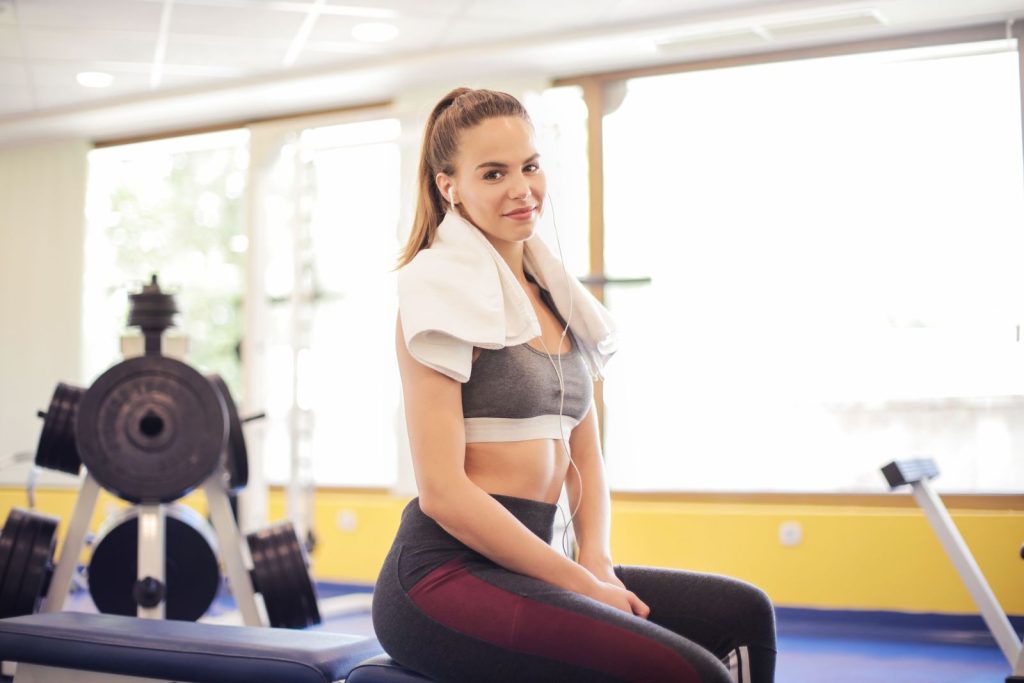
Walking into a gym for the first time can feel like arriving at a party where everyone knows each other except you. Rows of unfamiliar machines, people lifting heavy weights, mirrors everywhere. If you’ve ever turned around at the door, you’re far from alone.
Surveys consistently show that “gymtimidation” is common. In a 2025 survey of 1,000 US gym-goers, people named the way others looked at them, feeling out of their comfort zone, and the gym’s atmosphere as the top reasons they felt intimidated. A similar UK survey found almost half of gym-goers had felt intimidated or judged, with women and younger adults affected most. The good news is that confidence builds quickly once you have a simple plan. These six tips will help you get started, stay motivated and actually enjoy the gym.
1. Feel proud of simply showing up
The hardest rep is getting through the door. Every experienced gym-goer was once a beginner who didn’t know how to adjust a machine. Most people in the gym are focused on their own workout, not on you.
Ways to make the first visits easier:
- Go at quieter times. Mid-morning, early afternoon and weekend afternoons tend to be less busy than early mornings and after work.
- Take the tour. Most gyms offer a free induction where staff show you how equipment works.
- Bring a friend for the first few sessions.
- Wear clothes you feel comfortable in. Supportive shoes and breathable fabric matter more than brand names; our guide on choosing the right workout clothes can help.
- Use headphones and a playlist that motivates you.
Research on gym anxiety also suggests confidence grows with consistency. The more often you go, the more familiar and comfortable the space becomes.
2. Build strength the smart way
Strength training is one of the most valuable things you can do for your long-term health. Health guidelines recommend muscle-strengthening activity on at least two days a week, working all major muscle groups: legs, hips, back, chest, shoulders, arms and core.
As a beginner, focus on a handful of basic movement patterns rather than trying every machine:
- Squat: bodyweight squats, goblet squats or the leg press
- Hinge: Romanian deadlifts with light dumbbells or hip bridges
- Push: push-ups (on a bench or wall if needed) or chest press machine
- Pull: lat pulldown or seated cable row
- Carry and core: farmer’s carries and planks
Start with a weight you can lift for 10 to 15 reps with good form, finishing each set feeling like you could do two or three more. Do 2 to 3 sets of each exercise. This approach, gradually increasing the weight or reps over time, is called progressive overload, and it’s how muscles get stronger. Bodyweight training is another great entry point; read about the benefits of calisthenics, or explore our list of bodybuilding exercises once you’re ready to progress.
3. Work hard, but recover harder
Motivation is high in the first few weeks, and many beginners try to do too much, too soon. That often leads to extreme soreness, injury or burnout. A sustainable plan beats an intense one you abandon.
- Start with 2 to 3 sessions a week of 30 to 45 minutes.
- Warm up for 5 to 10 minutes with light cardio and dynamic stretches.
- Leave about 48 hours before working the same muscle group hard again.
- Expect some muscle soreness a day or two after new exercises. That’s normal. Sharp or joint pain is not; stop and get advice.
- Prioritize sleep. Muscles repair and grow while you rest.
- Add cardio on other days or after weights. Brisk walking, cycling, rowing or swimming all count. Our article on cardio exercise benefits explains why.
4. Ask for help (it’s what staff are there for)
Asking questions isn’t a sign of weakness; it’s how you avoid injury and wasted time. Gym staff and trainers expect beginners to ask how equipment works. Many gyms also run beginner classes, which are a great way to learn form in a supportive group.
If your budget allows, a few sessions with a qualified personal trainer can be one of the best investments you make. They can design a plan around your goals, check your technique and give you confidence on the gym floor. Look for trainers with recognized certifications. You can also film a set on your phone to check your form against reputable video guides.
A quick note on gym etiquette, which also helps you feel more at ease: wipe down equipment after use, put weights back, don’t rest on a machine for long periods when it’s busy, and it’s perfectly fine to ask someone how many sets they have left.
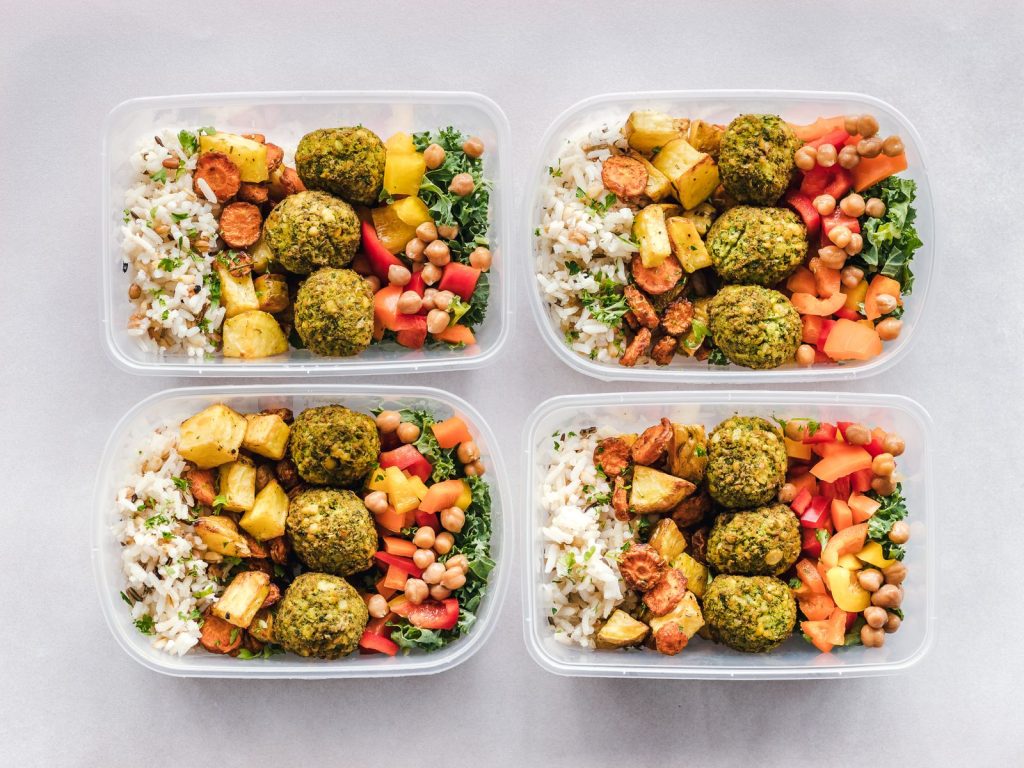
5. Eat to fuel your workouts
You can’t out-train a poor diet, and you’ll feel much better in the gym when you’re properly fueled.
- Get enough protein. Protein helps your muscles repair and grow. The 2025 to 2030 US Dietary Guidelines now suggest around 1.2 to 1.6 grams of protein per kilogram of body weight a day for adults, higher than older advice. Spread it across meals. Our list of high-protein foods has plenty of options.
- Don’t fear carbohydrates. Whole grains, fruit, potatoes and legumes fuel your workouts.
- Eat a light snack 1 to 3 hours before training, such as a banana with yogurt or toast with peanut butter.
- Have a meal with protein and carbs within a couple of hours after training.
- Stay hydrated. Drink water through the day and sip during workouts.
- Be cautious with supplements. Most beginners don’t need them. Food comes first, and supplements aren’t tightly regulated.
6. Set realistic, specific goals
“Get fit” is hard to measure. Specific, achievable goals give you something to aim for and celebrate. Try goals like:
- Go to the gym twice a week for the next 8 weeks
- Do 10 full push-ups by the end of the month
- Increase your squat weight by 5 kg in 6 weeks
- Walk 30 minutes on the treadmill without stopping
Track your workouts in a notebook or app so you can see your progress, because strength gains often come faster than visible changes in the mirror. Many beginners notice better sleep, mood and energy within a few weeks. A fitness tracker can help with motivation too. And remember the bigger picture: the benefits of regular physical activity go far beyond appearance.
A simple beginner full-body workout
Do this two or three times a week on non-consecutive days. Rest about 60 to 90 seconds between sets.
- Warm-up: 5 to 10 minutes on a bike, rower or treadmill, then leg swings and arm circles.
- Goblet squat or leg press: 3 sets of 10 to 12
- Dumbbell chest press or incline push-ups: 3 sets of 10 to 12
- Lat pulldown or seated row: 3 sets of 10 to 12
- Dumbbell Romanian deadlift or glute bridge: 3 sets of 10 to 12
- Plank: 3 holds of 20 to 40 seconds
- Cool-down: 5 minutes of easy walking and gentle stretching
Beginner mistakes to avoid
- Skipping the warm-up. Cold muscles and joints are more prone to strain. Five to ten minutes is enough.
- Lifting too heavy too soon. Ego lifting with poor form is the fastest route to injury. Master the movement first, then add weight gradually.
- Random workouts. Jumping between machines without a plan makes progress hard to track. Follow a simple program for at least 6 to 8 weeks.
- Only doing cardio or only doing weights. Your body benefits from both.
- Comparing yourself to others. The person next to you may have years of training behind them. Compare yourself only to your own last workout.
- Giving up after a missed week. Life happens. Pick up where you left off, maybe with slightly lighter weights, and keep going.
- Neglecting rest. More isn’t always better. Progress happens when your body recovers between sessions.
Getting these basics right in the first few months sets you up for years of steady, injury-free progress.
Common questions
How often should a beginner go to the gym?
Two to three sessions a week is a great start, with rest days in between. Aim for strength training on at least two days and some cardio across the week.
How do I stop feeling anxious at the gym?
Go at quieter times, take the gym tour, follow a simple written plan, bring a friend or headphones, and remember most people are focused on their own workout. Confidence grows with regular visits.
Should beginners lift weights or do cardio first?
Both matter. If strength is your main goal, do weights first while you’re fresh, then add cardio. A short warm-up before either is important.
How much protein do I need when starting the gym?
Current US guidelines suggest about 1.2 to 1.6 grams per kilogram of body weight a day for adults, spread across meals. Most people can meet this through food.
How long until I see results?
Many people feel better energy, mood and sleep within two to four weeks. Noticeable strength gains often appear within 6 to 8 weeks of consistent training.
This article is for general information. If you have a health condition, injury or are new to exercise after a long break, check with your doctor before starting.
Find more training advice in our fitness tips section.