
Healthy skin isn’t about a 12-step routine or the latest viral product. Dermatologists agree that a handful of simple, consistent habits do most of the work: protecting your skin from the sun, treating it gently, eating well, not smoking and managing stress. Get those right, and the rest is fine-tuning.
This guide covers the five things you really need to know for healthy skin at any age, plus a few bonus habits, a simple morning and evening routine, and when it’s time to see a dermatologist.
First, get to know your skin type
Choosing the right products starts with understanding your skin:
- Normal: balanced, not too oily or dry, with few breakouts.
- Dry: feels tight, may look flaky or dull, and can be itchy, especially in winter.
- Oily: shiny, especially on the forehead, nose and chin, with larger-looking pores and more breakouts.
- Combination: oily in the T-zone and normal or dry elsewhere.
- Sensitive: easily stings, burns or reddens after using products.
A simple test: wash your face with a gentle cleanser, pat dry, wait an hour without applying anything, then notice how it feels. Your skin type can also change with age, hormones, seasons and medications.
1. Protect your skin from the sun every day
Ultraviolet (UV) light is responsible for most visible skin aging, including wrinkles, sagging, dark spots and uneven texture. It’s also the main cause of skin cancer. That makes daily sun protection the single most important skin habit.
The American Academy of Dermatology (AAD) recommends:
- A broad-spectrum, water-resistant sunscreen with SPF 30 or higher on all exposed skin every day, even when it’s cloudy
- About a nickel-sized amount for the face and a shot-glass amount for the body
- Reapplying every two hours outdoors, and after swimming or sweating
- Seeking shade between 10 a.m. and 4 p.m. and wearing a wide-brimmed hat, sunglasses and protective clothing
- Avoiding tanning beds, which significantly raise melanoma risk
For hot-weather specifics, see our summer skin care tips.
2. Treat your skin gently
Over-cleansing and harsh products can damage the skin barrier, the outer layer that keeps moisture in and irritants out. A damaged barrier leads to dryness, redness, sensitivity and breakouts.
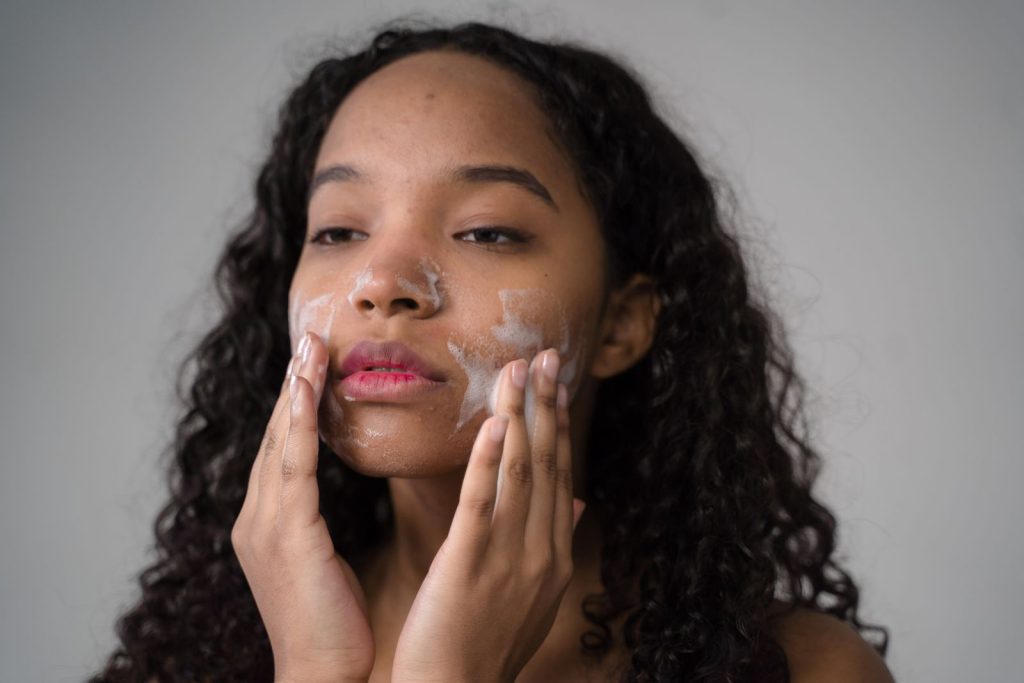
- Cleanse gently twice a day and after sweating, with a mild, fragrance-free cleanser and lukewarm (not hot) water.
- Pat, don’t rub, your skin dry with a clean towel.
- Moisturize right after cleansing or bathing, while skin is still slightly damp, to lock in moisture.
- Limit exfoliation to once or twice a week, and choose gentle chemical exfoliants over rough scrubs.
- Shave carefully with a sharp razor, shaving cream and in the direction hair grows.
- Introduce new products one at a time and patch test first, so you know what suits you.
- Don’t pick or squeeze spots, which can cause infection, dark marks and scars.
Wearing sunscreen or makeup daily? A double cleanse in the evening can help; learn how in our guide to the Japanese face wash method.
3. Eat a skin-friendly diet
There’s no magic food for perfect skin, but what you eat does play a role.
- Colorful fruits and vegetables provide antioxidants like vitamin C, vitamin E and carotenoids, which help protect skin from everyday damage. Vitamin C is also essential for making collagen.
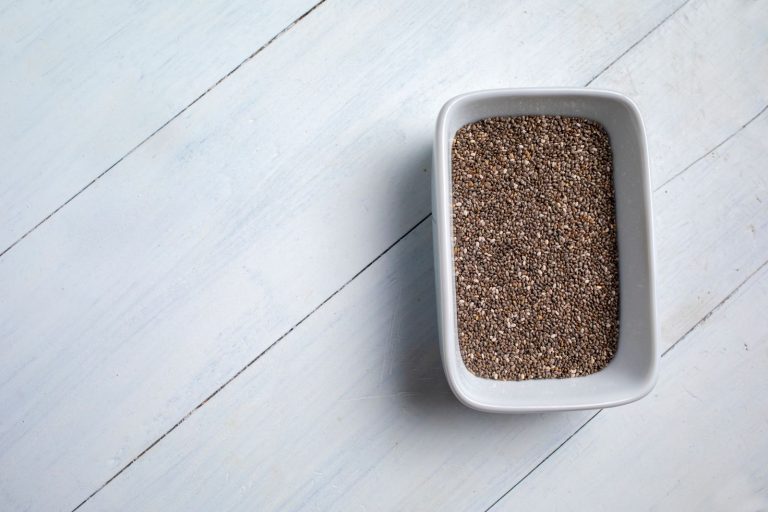
- Healthy fats from oily fish, nuts, seeds and olive oil support the skin barrier. Omega-3-rich chia seeds are an easy addition.
- Enough protein supplies the building blocks for skin repair.
- Water keeps you hydrated, which helps skin look less dull.
Diet and acne: research suggests that high-glycemic diets (lots of sugary foods, white bread and refined snacks) may worsen acne, and small trials have found fewer breakouts on lower-glycemic diets. Some studies also link cow’s milk, especially skim milk, to acne, though not yogurt or cheese. The AAD’s 2024 acne guideline doesn’t recommend any specific diet because the evidence is still limited, but if you have acne, cutting back on sugary, refined foods is a reasonable experiment alongside proper treatment.
4. Don’t smoke (and limit alcohol)
Smoking narrows the tiny blood vessels in the outer layers of the skin, reducing blood flow and depriving it of oxygen and nutrients. It also damages collagen and elastin, the fibers that keep skin firm and elastic. The result is earlier and deeper wrinkles, especially around the mouth and eyes, and a dull, uneven complexion. Smoking also slows wound healing and raises the risk of a type of skin cancer called squamous cell carcinoma.
If you smoke, quitting is one of the best things you can do for your skin and your overall health. Your doctor, pharmacist or a quitline can help. Heavy alcohol use can also dehydrate the skin and worsen redness and rosacea.
5. Manage stress
Stress shows up on your skin. It can trigger or worsen acne, eczema, psoriasis, rosacea and hives, and it often leads to poor sleep and less time for self-care. Learning to manage stress can lead to calmer skin.
- Get regular physical activity
- Practice relaxation techniques like deep breathing or meditation
- Set realistic goals and protect time for things you enjoy
- Stay connected with friends and family
Read more about how stress affects the whole body in our article on the negative health impact of stress.

Bonus habits for healthier skin
Get enough sleep. Skin repairs itself overnight. Poor sleep is linked with more visible signs of aging and a weaker skin barrier. Aim for seven to nine hours.
Keep things clean. Wash pillowcases weekly, clean your phone screen regularly, and keep makeup brushes clean.
Adjust with the seasons. Use richer moisturizers and a humidifier in winter; see our winter skin tips.
Check your skin. Once a month, look for new or changing spots and moles. See a dermatologist promptly about any spot that’s asymmetric, has an irregular border, multiple colors, is larger than a pencil eraser, or is changing, itching or bleeding.
A simple daily skincare routine
Morning:
- Gentle cleanser (or just water if your skin is dry)
- Optional antioxidant serum, such as vitamin C
- Moisturizer suited to your skin type
- Broad-spectrum SPF 30 or higher
Evening:
- Cleanser (double cleanse if you wore sunscreen or makeup)
- Treatment product if needed, such as a retinoid for aging or acne, or a gentle exfoliant a few nights a week
- Moisturizer
That’s it. Consistency with a few well-chosen products beats a complicated routine. If you’re interested in more ingredients and age-specific tips, see our anti-aging tips and our collection of home remedies for glowing skin.
Skin care by age: what changes
Teens and early 20s: oil production peaks, so breakouts are common. Focus on gentle cleansing, a light non-comedogenic moisturizer, daily sunscreen and over-the-counter acne treatments like benzoyl peroxide or adapalene. Avoid harsh scrubbing.
Late 20s and 30s: collagen production gradually slows and early fine lines may appear. This is a good time to add a retinoid at night and an antioxidant serum in the morning, and to be strict with sunscreen.
40s and 50s: skin becomes drier and thinner, and hormonal changes around menopause can cause dryness, sensitivity or adult acne. Richer moisturizers with ceramides, gentle cleansers and continued retinoid use help. Pay extra attention to neck, chest and hands.
60s and beyond: skin is more fragile and slower to heal. Use mild, fragrance-free products, moisturize daily, protect against injuries and keep up regular skin checks, since skin cancer risk rises with age.
At every age, the core three steps stay the same: cleanse gently, moisturize and protect from the sun.
When to see a dermatologist
- Acne that isn’t improving with over-the-counter products, or that leaves scars or dark marks
- Persistent redness, rashes, itching or flaking
- Signs of eczema, psoriasis or rosacea
- Any new, changing or unusual spot or mole
- Hair loss or nail changes
- Skin problems affecting your confidence or quality of life
Common questions
What is the most important thing for healthy skin?
Daily sun protection with a broad-spectrum SPF 30 or higher sunscreen, along with shade and protective clothing. It prevents premature aging and lowers skin cancer risk.
Does diet affect your skin?
Yes, to some extent. Fruits, vegetables, healthy fats and protein support skin health, and high-glycemic diets and cow’s milk may worsen acne in some people.
How does smoking affect the skin?
Smoking reduces blood flow and damages collagen and elastin, causing earlier wrinkles, dullness and slower healing, and it raises the risk of some skin cancers.
Can stress cause skin problems?
Stress can trigger or worsen acne, eczema, psoriasis, rosacea and hives. Managing stress with exercise, sleep and relaxation can help.
How many skincare products do I really need?
Most people need only a gentle cleanser, a moisturizer and sunscreen. Add treatment products like retinoids only if you have a specific concern.
This article is for general information and isn’t a substitute for advice from a dermatologist.
Explore more skin care guides in our skin section.