
Every parent knows the season. One child brings home a cold from school, and within a week the whole house is sniffling. It’s natural to wonder whether the right foods could help your kids get sick less often, or bounce back faster when they do.
Here’s the reassuring part: you don’t need expensive “immunity” gummies or exotic superfoods. A child’s immune system is built and maintained by everyday things, mostly a varied diet, good sleep, active play and routine vaccinations. This guide covers the nutrients that matter, the best foods to serve, what the latest US dietary guidelines say about sugar, and simple ways to get picky eaters on board.
Why children seem to catch everything
Young children typically catch several colds a year, and more in their first years at daycare or school. That’s normal. Their immune systems are still learning, and each infection helps build memory against future germs. The goal isn’t to prevent every sniffle, which is impossible, but to give their bodies what they need to fight infections well and recover quickly.
Nutrition plays a real role. Immune cells multiply quickly during an infection, and that process relies on protein, vitamins and minerals. Children who are short on key nutrients, especially iron, zinc, vitamin A and vitamin D, tend to be more vulnerable to infections.
The nutrients that matter most
Protein
Antibodies and immune cells are made from protein. Good sources for kids include eggs, milk, yogurt, cheese, fish, chicken, beans, lentils, tofu and nut butters. Our list of high-protein foods has more ideas.
Vitamin C
Vitamin C supports the cells that fight infection and helps the body absorb iron from plant foods. It’s found in oranges, strawberries, kiwi, mango, bell peppers, broccoli and tomatoes. Vitamin C won’t stop colds, but getting enough supports normal immune function.
Vitamin A
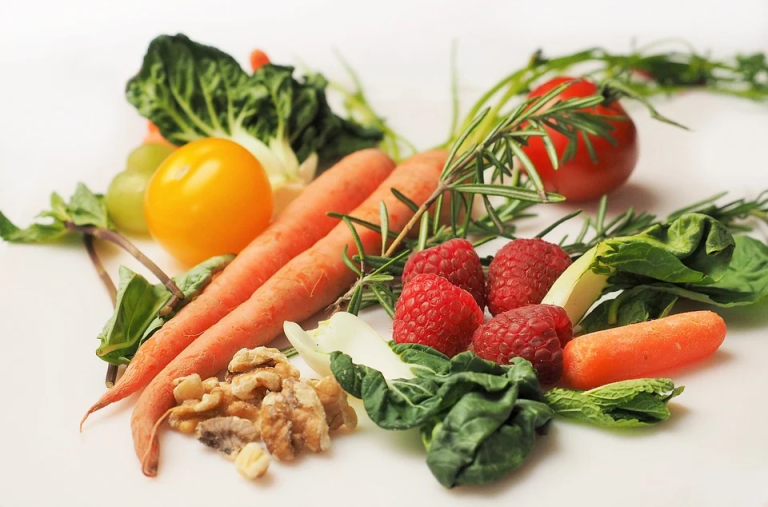
Vitamin A keeps the linings of the nose, lungs and gut healthy, which act as a first barrier against germs. Orange and dark green vegetables such as carrots, sweet potatoes, pumpkin and spinach are excellent sources, along with eggs and dairy.
Vitamin D
Vitamin D helps regulate the immune response, and low levels are common in children who spend little time outdoors or live in colder climates. The American Academy of Pediatrics recommends a vitamin D supplement of 400 IU a day for breastfed and partially breastfed babies. For older children, oily fish, eggs and fortified milk help, but ask your pediatrician whether a supplement is needed.
Zinc
Zinc is essential for immune cells to develop and work properly. Meat, poultry, seafood, beans, chickpeas, whole grains, seeds and dairy all supply it.
Iron
Iron deficiency is one of the most common nutrient shortfalls in toddlers, and it can affect energy, learning and immunity. Iron-rich foods include lean meat, beans, lentils, iron-fortified cereals and leafy greens. Pair plant sources with a vitamin C food to boost absorption.
Fiber and probiotics
A large part of the immune system sits in the gut. Fiber from fruit, vegetables, beans and whole grains feeds healthy gut bacteria, and yogurt or kefir with live cultures adds beneficial microbes. We explain the gut-immunity link in our guide to improving gut health.
The best everyday foods for strong immunity
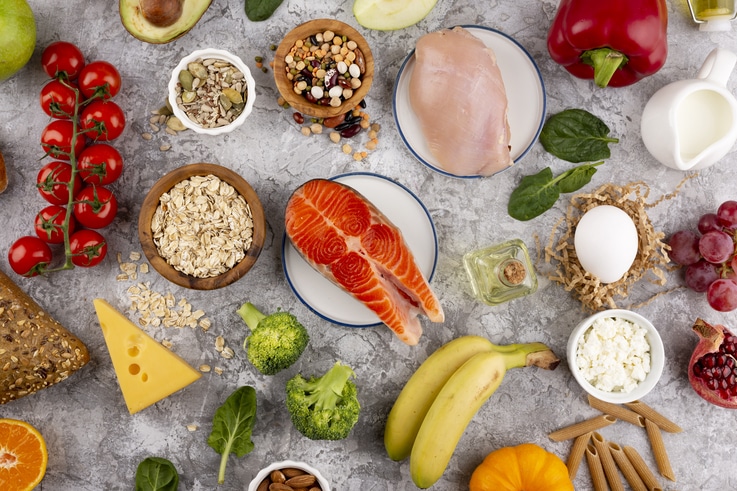
- Citrus fruits and berries for vitamin C and antioxidants
- Carrots, sweet potatoes and pumpkin for vitamin A
- Broccoli, spinach and peas for vitamins, folate and fiber
- Eggs, a kid-friendly source of protein, vitamin D and vitamin A
- Yogurt and kefir for protein, calcium and live cultures
- Salmon, sardines and canned tuna (in moderation) for omega-3s and vitamin D
- Beans, lentils and chickpeas for protein, zinc, iron and fiber
- Oats and other whole grains for steady energy and fiber
- Nuts and seeds, finely ground or as smooth butters for young kids, for zinc and healthy fats
- Garlic, ginger and herbs to add flavor without extra salt
Variety matters more than any single “hero” food. Aim to fill half of your child’s plate with fruits and vegetables, a quarter with protein and a quarter with whole grains, and include dairy or a fortified alternative.
What the new US dietary guidelines say about sugar
The 2025 to 2030 Dietary Guidelines for Americans, released in January 2026, take a tougher line on added sugars than before. They advise that young children avoid added sugars entirely, and that when added sugars are eaten, they stay under about 10 grams per meal. They also urge families to cut back on highly processed, packaged snacks.
That can feel hard in real life, and occasional treats are part of a normal childhood. But reducing sugary drinks, sweets and packaged snacks leaves more room for nutrient-rich foods that genuinely support immunity. The easiest swaps:
- Water or milk instead of juice, soda and sweetened drinks
- Plain yogurt with fruit instead of flavored yogurt
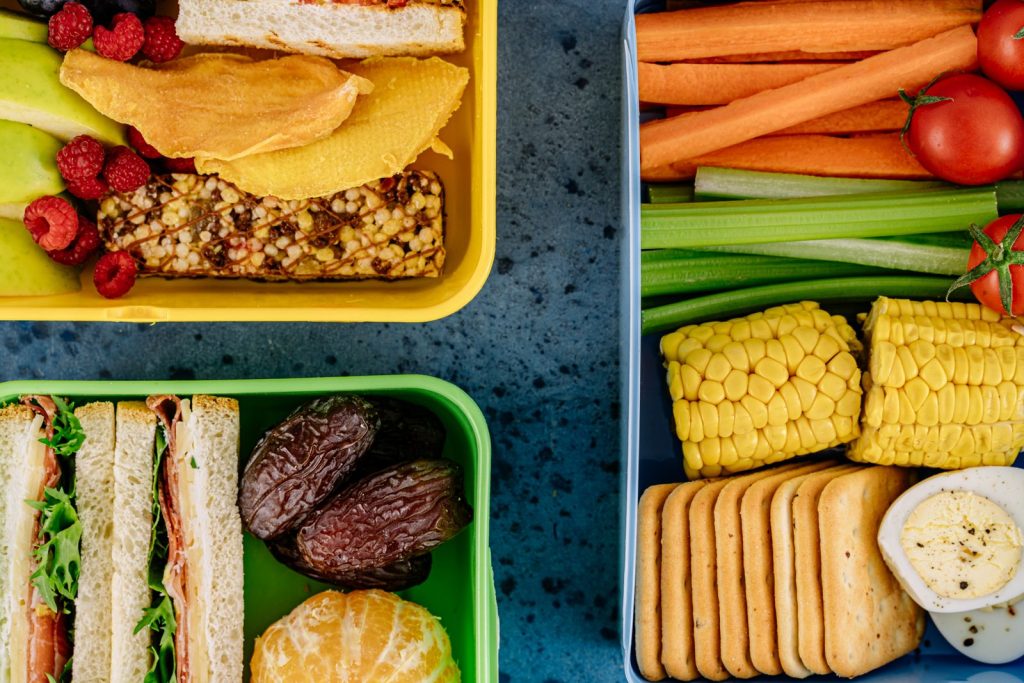
- Fruit, cheese, veggie sticks or homemade popcorn instead of chips and cookies
- Unsweetened oats or whole-grain cereal instead of sugary breakfast cereal
Practical tips for picky eaters
Most children go through a fussy phase. These approaches tend to work better than pressure:
- Offer, don’t force. It can take 10 or more exposures before a child accepts a new food. Keep serving small amounts alongside foods they already like.
- Get them cooking. Kids are more likely to taste what they’ve helped wash, stir or assemble.
- Make it fun. Rainbow plates, fruit kebabs, smoothie bowls and “build your own” wraps make vegetables less intimidating.
- Hide and show. Blend spinach into smoothies or grate carrots into sauces, but also serve vegetables in plain sight so kids learn to like them.
- Eat together. Children copy what they see. Family meals are one of the strongest predictors of healthier eating.
- Keep a routine. Regular meal and snack times stop constant grazing and help kids arrive at meals hungry.

A sample immune-friendly day
- Breakfast: porridge made with milk, topped with berries and a spoon of ground seeds
- Snack: orange segments and a small piece of cheese
- Lunch: whole-grain wrap with hummus, grated carrot, cucumber and chicken or beans
- Snack: plain yogurt with kiwi or mango
- Dinner: salmon or lentil patties with sweet potato wedges and broccoli
- Drinks: water and milk
Beyond food: other immune boosters for kids
Sleep. Children need more sleep than adults. Pediatric sleep experts recommend roughly 10 to 13 hours (including naps) for ages 3 to 5, 9 to 12 hours for ages 6 to 12, and 8 to 10 hours for teenagers. A steady bedtime routine and screens off before bed make a big difference.
Active play. At least an hour of physical activity a day helps kids grow strong and sleep well. Our post on the benefits of regular physical activity applies to children too.
Handwashing. Teaching children to wash with soap for 20 seconds, especially before eating and after the bathroom, is one of the simplest ways to prevent infections.
Vaccinations. Routine childhood vaccines are the most effective way to protect children from serious infections. Keep up with your pediatrician’s schedule.
Oral health. Healthy teeth and gums matter for overall health; see our dental hygiene tips for children.
Food safety notes for young children
- No honey before 12 months, because of the risk of infant botulism.
- Choking hazards: avoid whole nuts, whole grapes and popcorn for children under 4. Cut grapes and cherry tomatoes lengthwise into quarters.
- Fish: choose lower-mercury options such as salmon, sardines and light tuna.
- Supplements: only give vitamins or herbal products your pediatrician recommends. Too much of some vitamins, such as A and D, can be harmful, and many “immunity” products for kids aren’t well tested. Natural remedies aren’t always helpful either; our article on castor oil and immunity is a good example.
When to see a doctor
Call your pediatrician if your child has frequent infections that are severe or slow to clear, isn’t growing or gaining weight as expected, is extremely picky to the point of eating very few foods, or seems unusually tired or pale. For more on warning signs, read our guide to the signs of a weak immune system.
Common questions
What foods boost immunity in children?
A varied diet works best: fruits and vegetables for vitamins A and C, eggs, dairy, fish, meat and beans for protein, zinc and iron, yogurt for live cultures, and whole grains for fiber.
Do kids need immune-boosting supplements?
Most healthy children who eat a varied diet don’t. Vitamin D is the main exception for some children, especially breastfed babies. Ask your pediatrician before giving any supplement.
How much sugar can children have?
The 2025 to 2030 US Dietary Guidelines advise young children to avoid added sugars entirely and suggest keeping added sugars under about 10 grams per meal when they are eaten.
How can I get my picky eater to eat vegetables?
Offer small portions repeatedly without pressure, involve kids in cooking, make food fun and eat vegetables together as a family. It can take 10 or more tries before a child accepts a new food.
How much sleep do children need for a healthy immune system?
Roughly 10 to 13 hours for ages 3 to 5, 9 to 12 hours for ages 6 to 12, and 8 to 10 hours for teenagers.
This article is for general information and isn’t a substitute for advice from your child’s doctor.
Find more family-friendly nutrition advice in our nutrition food section.