Bloating after lunch. A stomach that seems to run on its own schedule. Feeling heavy and sluggish even though you haven’t eaten much. Most of us shrug these off, but they’re often your gut telling you something’s out of balance.
The quickest ways to improve gut health aren’t complicated. Eat more fiber from lots of different plants, add a fermented food each day, drink enough water, move after meals, sleep properly, and cut back on ultra-processed food and alcohol. Plenty of people feel less bloated within a week or two. Bigger changes to your gut bacteria take longer, but they start sooner than you’d think.
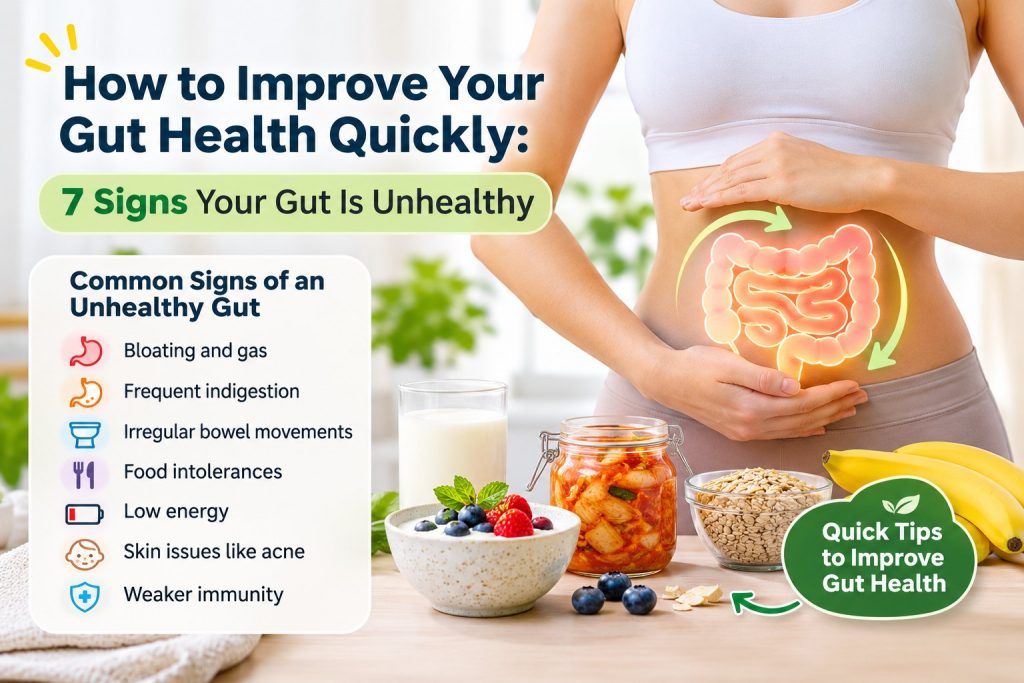
7 signs your gut is unhealthy
None of these proves something is wrong on its own. Several together, most weeks, are worth taking seriously.
- You’re bloated most days. Some gas is normal, especially after beans. Daily bloating that makes your waistband feel tight isn’t.
- Your bathroom habits are all over the place. Going less than three times a week, straining, frequent loose stools, or swinging between the two. That last pattern is common in irritable bowel syndrome (IBS).
- Heartburn shows up after meals. Large portions, late dinners, fatty food and stress can all bring it on. Occasional heartburn is common. Most days isn’t.
- Foods you used to tolerate now bother you. This is different from a food allergy, which involves your immune system and can be serious.
- You’re tired and sleeping badly. Gut discomfort disturbs sleep, and poor sleep in turn affects your gut bacteria. Each makes the other worse.
- Your skin is flaring. Eczema, acne and rosacea have all been linked with gut health in research. The connection isn’t simple, but diet changes that help digestion sometimes calm skin too.
- You crave sugar constantly. A diet heavy in sugar and refined carbs feeds a narrower range of microbes. Cravings have lots of causes, but cutting back helps your gut either way.
So what does a healthy gut feel like? Mostly, you don’t notice it. You go to the bathroom regularly, anywhere from three times a day to three times a week, and it’s easy and comfortable. You feel satisfied after meals rather than stuffed or bloated. Your energy holds steady through the afternoon.
Why your gut matters more than you’d think
Your large intestine is home to trillions of bacteria and other microbes, known together as the gut microbiome. They break down the fiber you can’t digest yourself, help make some vitamins, and produce compounds that keep your gut lining strong. A big part of your immune system lives along that lining too, and your gut and brain are in constant conversation.
Researchers generally see a more diverse microbiome, one with lots of different species, as a healthier one. And the Harvard Nutrition Source points out that diet is one of the biggest everyday influences on that diversity. That’s good news, because it’s the part you control.
Six changes that work fastest
Eat more fiber, but go slowly
Fiber is what your good bacteria eat. When they ferment it, they produce short-chain fatty acids that feed the cells lining your colon. Most adults eat well under the 25 to 38 grams a day that’s recommended.
The catch: add it too fast and you’ll feel worse before you feel better. Increase by about 5 grams a week and drink more water as you go. Swapping white bread for wholegrain, adding a handful of beans to a soup, or starting the day with oats are easy ways in. The Harvard fiber guide breaks down the different types if you want more detail.
Count plants, not calories
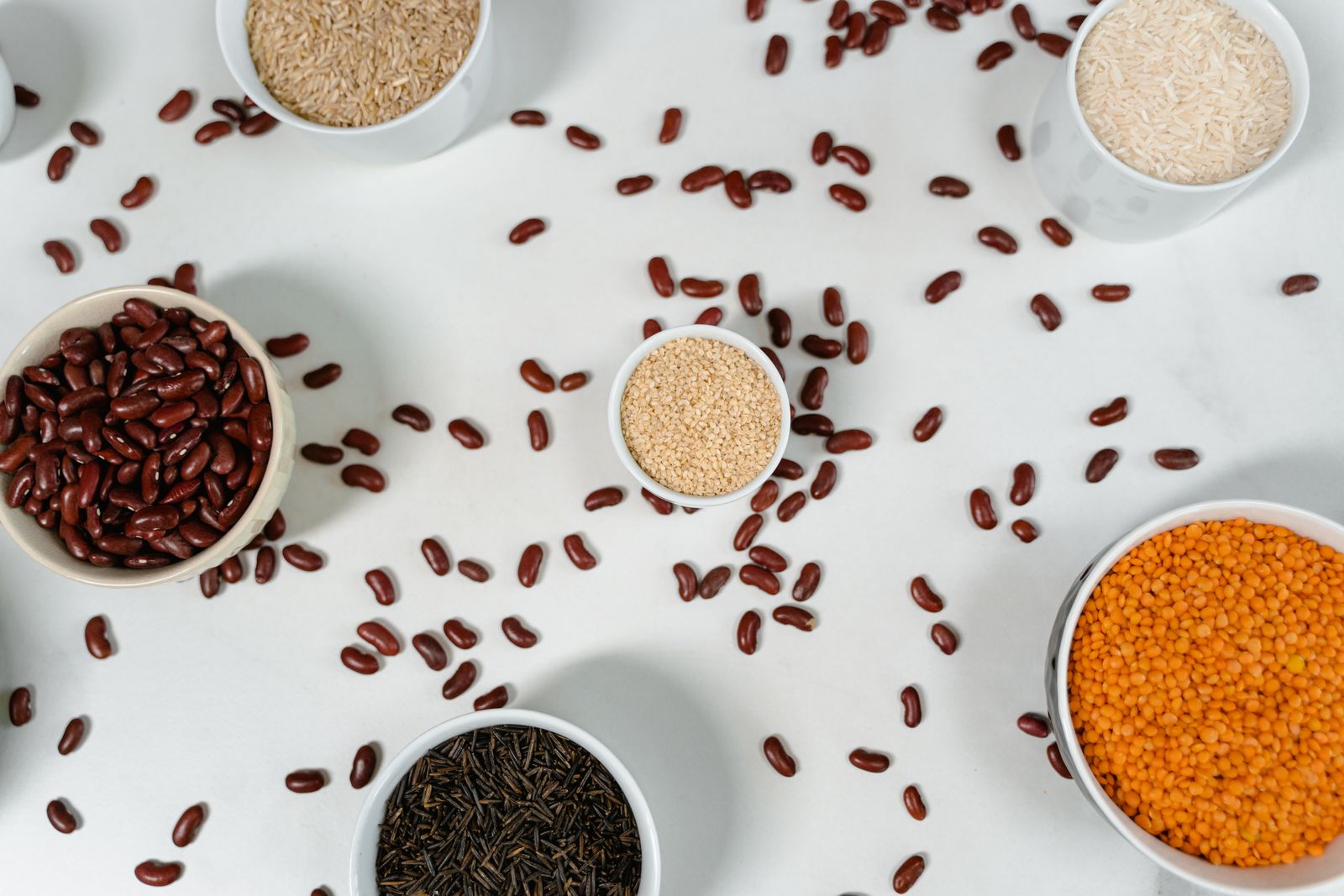
A large citizen-science microbiome project found that people who ate 30 or more different plant foods a week had more diverse gut bacteria than those who ate 10 or fewer. It sounds like a lot until you realize herbs, spices, nuts, seeds, beans and whole grains all count. A mixed bag of seeds on your breakfast can add four in one go.
Have one fermented food a day
Plain yogurt with live cultures, kefir, sauerkraut, kimchi, miso and tempeh all contain live microbes. In a Stanford study, people who ate several servings of fermented food a day for ten weeks ended up with more diverse gut bacteria and lower markers of inflammation. You don’t need to go that far. One serving a day is a solid start.
Walk after you eat
Movement helps food move through your gut, and regular exercise is linked with a more varied microbiome. A 10 to 15 minute walk after dinner is one of the simplest bloating fixes there is.
Protect your sleep and your stress levels
Your gut bacteria follow a daily rhythm, just like you. Irregular sleep and meal times throw them off. Stress can speed digestion up or slow it down, and it’s a well-known trigger for IBS flares. If stress is a big factor for you, read about how stress affects your health.
Slow down at meals
It sounds too simple to matter, but eating fast means swallowing more air and sending bigger pieces of food down for your gut to deal with. Put your fork down between bites. Your stomach will thank you.
What harms gut bacteria
Antibiotics are the obvious one. They’re often necessary and you should always take them as prescribed, but they affect helpful bacteria along with harmful ones. Afterwards, lean on fiber and fermented foods to help things recover.
A low-fiber diet slowly starves certain species. Heavy drinking irritates the gut lining. Smoking is linked with changes in gut bacteria and a higher risk of conditions like Crohn’s disease. Ongoing stress and short sleep shift the balance over time. There’s also early research suggesting some artificial sweeteners change gut bacteria in some people, though the science isn’t settled yet.
On the food side, no single item will wreck your gut. The problem is a diet built mostly around ultra-processed snacks, sugary drinks, processed meats and fried food. Those leave little room for the plants your microbes need.
Gut health myths worth ignoring
“You need a detox tea to clean out your gut.” You don’t. Your liver and kidneys handle detoxing, and many detox teas are mostly laxatives. They can leave you dehydrated and do nothing for your bacteria.
“Everyone should take a probiotic supplement.” The evidence is mixed. Probiotics may help in specific situations, such as lowering the risk of diarrhea from antibiotics, but different strains do different things. The NIH’s National Center for Complementary and Integrative Health notes they’re generally safe for healthy people but can carry risks for those with weakened immune systems. Food first, and ask your doctor before buying a supplement.
“Going gluten-free is better for your gut.” Only if you have celiac disease or a diagnosed sensitivity. For everyone else, cutting out whole grains often means cutting fiber.
“Any bloating means something’s wrong.” A bit of gas after a big bean chili is your bacteria doing their job. It’s persistent, painful bloating that deserves attention.
More food myths? We’ve rounded up some common ones in myths and facts about food.
A simple one-week gut reset
Forget juice cleanses. This is a “reset” in the sense of building better habits, one a day, until they stack up.
Monday: start with a high-fiber breakfast, like oats with berries and ground flaxseed.
Tuesday: add one fermented food, such as a pot of plain yogurt or a glass of kefir.
Wednesday: eat a serving of beans or lentils, maybe in a soup or tossed through a salad.
Thursday: take a 15-minute walk after dinner.
Friday: try five plant foods you didn’t eat earlier in the week.
Saturday: go alcohol-free and keep added sugar low.
Sunday: eat one meal slowly, with no screens, and stop when you’re comfortably full.
Keep whatever felt easiest and repeat the week. For more ideas, see the foods nutrition experts love. And since your gut and brain are linked, it’s no surprise that eating well can improve your mood too.
When to see a doctor
Lifestyle changes help many people, but some symptoms need a professional. Don’t wait if you notice:
- blood in your stool, or black, tarry stools
- weight loss you can’t explain
- severe or worsening stomach pain
- a change in bowel habits that lasts more than a few weeks
- trouble swallowing, frequent vomiting or heartburn most days
- symptoms that wake you up at night
Common questions
How long does it take to improve gut health?
Your gut bacteria start shifting within days of changing what you eat, and many people feel less bloated within one to two weeks. Deeper, lasting changes take a few months of steady habits.
Are bananas good for your gut?
Yes. They provide fiber, and slightly green bananas contain resistant starch, which feeds helpful bacteria.
Is coffee bad for gut health?
For most people, a cup or two a day is fine and may even support a more varied microbiome. It can trigger reflux or loose stools in some people, so pay attention to how you feel.
This article is for general information and isn’t a substitute for medical advice. If digestive symptoms are ongoing, please see a healthcare professional.
Browse more practical advice in our health tips section.