
You know the pattern. Someone sneezes in a meeting on Monday, and by Thursday you’re the one with the sore throat. Then it lingers for two weeks. Then, just as you feel normal again, the next cold arrives.
Getting sick now and then is normal. Most adults pick up two or three colds a year. But if you seem to catch everything and take ages to bounce back, your immune system may be running on empty. The usual signs are frequent colds, infections that drag on, slow-healing cuts, tiredness that sleep doesn’t fix and an unsettled stomach.
The encouraging part is that the most common causes are ordinary things like short sleep, stress and a repetitive diet. You can change those, starting this week.
The five signs, and what each one usually points to
1. You catch every cold going around
If you’re getting more than three or four colds a year, especially back to back, your body may not be clearing viruses as well as it should. One bad winter doesn’t mean much. A pattern over a couple of years does.
2. Simple infections turn into bigger ones
This is the sign doctors pay most attention to. A healthy immune system usually wraps up a cold in 7 to 10 days. When colds keep turning into sinus infections, ear infections or chest infections, or you’re on antibiotics several times a year, it’s worth getting checked.
3. Small cuts take forever to heal
Healing a scrape depends on immune cells clearing germs and helping new tissue form. If a paper cut or a small graze stays red and sore far longer than you’d expect, poor nutrition, high blood sugar or an overstretched immune response could be part of the story.
4. You’re tired all the time
Fatigue on its own can come from a hundred things, from low iron to a newborn baby. It becomes a clue when it shows up alongside frequent illness. Often the two share a cause: not enough sleep, a lot of stress and a body that never quite gets to finish fighting the last bug.

5. Your stomach is often unsettled
A large share of your immune tissue sits in the lining of your gut. Regular bloating, loose stools or one stomach bug after another can be both a cause and a sign of immune strain. Your gut bacteria help train immune cells, so when digestion is off, defenses often are too.
One more worth mentioning: constant stress. It isn’t a symptom in the same way, but if you feel wired and overwhelmed most days, it’s very likely affecting how often you get sick. More on that below.
Why immunity dips in the first place
For most people, a weak immune system isn’t a disease. It’s a lifestyle that’s been running in the red for a while.
Sleep is the big one. Your body releases infection-fighting proteins while you sleep, and in one well-known study, people who slept under six hours a night were far more likely to catch a cold after being exposed to the virus than people who slept seven or more.
Stress comes next. Short bursts are fine, even useful. Weeks of it keep cortisol high, and that slowly dampens the cells you rely on to fight germs. If this sounds familiar, our piece on the negative health impact of stress explains the wider effects.
Then there’s food. Eating the same handful of meals every week, with few vegetables, beans or whole grains, means you miss out on vitamin C, folate, zinc and fiber. Heavy drinking, smoking and sitting most of the day all chip away too. And some people have medical reasons for lower immunity, such as diabetes, certain medicines or conditions they were born with. Those need a doctor, not a smoothie.
What to eat: a normal day that supports your immune system
No food “boosts” immunity overnight, whatever the label says. What you eat helps over weeks by keeping your stores of key nutrients topped up. Rather than another list of superfoods, here’s what a realistic day can look like.
Breakfast. Plain yogurt or kefir with a sliced kiwi and a handful of almonds. Yogurt brings live cultures for your gut. Kiwi is quietly one of the best vitamin C sources around, and almonds add vitamin E. Not a yogurt person? Two eggs on wholegrain toast give you protein and a little vitamin D.
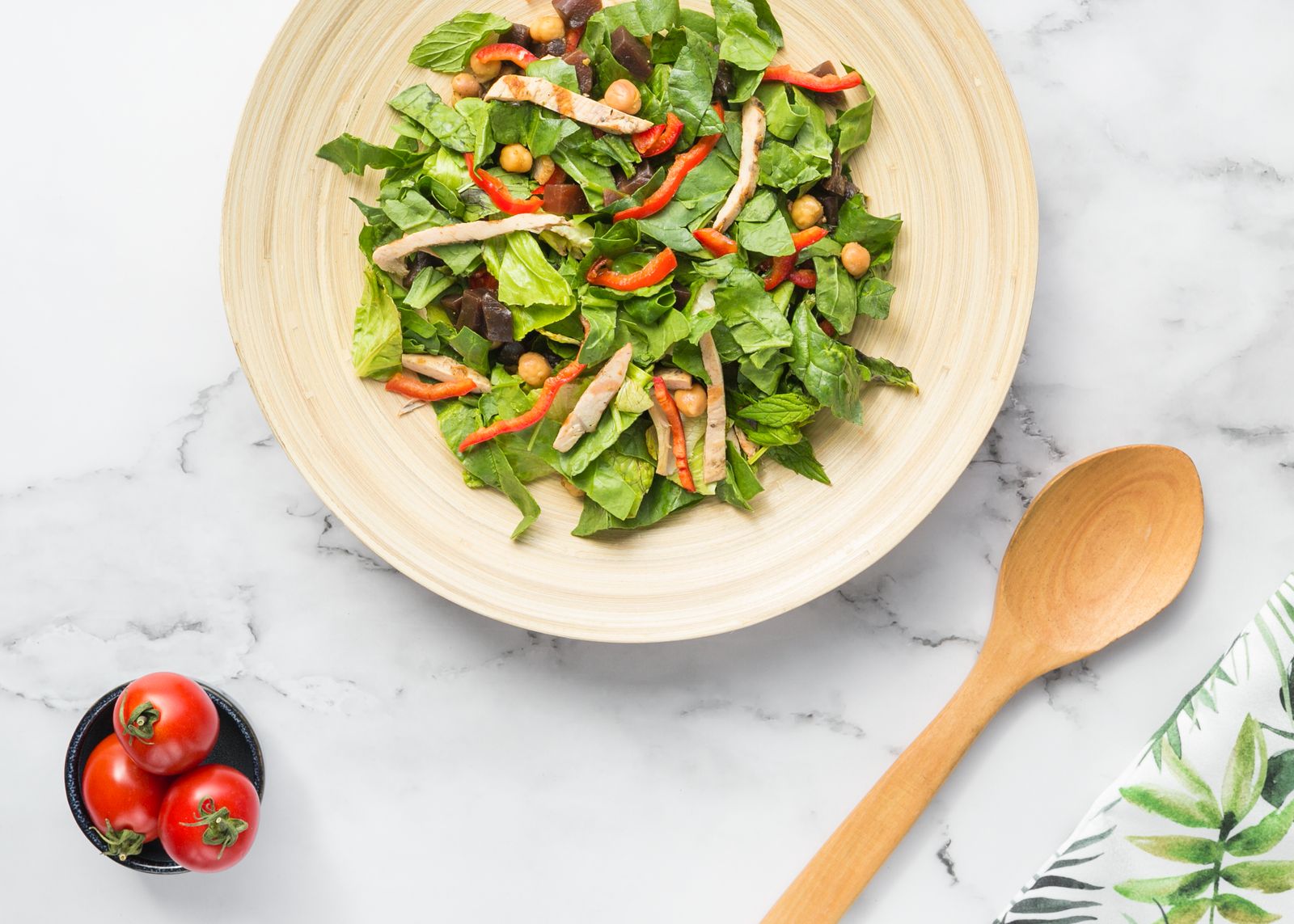
Lunch. A big salad or wrap built around red bell pepper, spinach and chickpeas. Red peppers have more vitamin C than oranges, gram for gram. Chickpeas bring zinc and fiber, and spinach adds folate.
Snack. An orange, a few pumpkin seeds or a small handful of mixed nuts.
Dinner. Salmon or sardines with roasted sweet potato and broccoli. Oily fish is one of the few natural food sources of vitamin D, sweet potato is loaded with beta-carotene (which your body turns into vitamin A), and broccoli adds more vitamin C. Vegetarian? Swap the fish for lentils or tofu and add mushrooms that have been exposed to UV light, which some brands sell for their vitamin D.
Garlic, ginger and green tea get a lot of attention online. The research on them is thin, so treat them as flavor, not medicine. They do make vegetables and soups taste better, and anything that helps you eat more of those is a win.
Cooking for children too? Our guide on how to boost immunity in children through food has ideas kids will actually eat.
Do you need vitamins or supplements?
Probably fewer than the supplement aisle suggests. The NIH Office of Dietary Supplements says most people get what their immune system needs from a varied diet, and that supplements mainly help people who are actually low in a nutrient.
A few specifics:
- Vitamin C taken every day may shave a little time off colds. Starting it once you’re already sneezing doesn’t seem to do much.
- Zinc lozenges started within a day of symptoms may shorten a cold for some people. Long-term high doses can cause problems, so don’t stay on them.
- Vitamin D is the one many people genuinely run low on, especially in winter, if they’re indoors a lot or have darker skin. A blood test is the only way to know.
Check with your doctor or pharmacist before you start anything, particularly if you take regular medication or are pregnant. For a deeper read, the Harvard Nutrition Source covers how diet and immunity connect.
Sleep and stress: the two things food can’t fix
You can eat perfectly and still get sick all winter if you’re sleeping five hours a night. The CDC recommends at least seven hours for adults, and about a third of American adults don’t get it.
What actually helps is boring but effective. Keep the same wake-up time every day, weekends included. Stop caffeine by early afternoon. Put your phone on the other side of the room. A cool, dark bedroom makes a bigger difference than most people expect.
Stress is harder to “fix”, and pretending otherwise isn’t helpful. But you can lower the baseline. A ten-minute walk outside after lunch, two minutes of slow breathing before bed or one evening hour that’s genuinely yours all add up. If you’ve never tried meditation, these tips to get started with meditation are a gentle place to begin.
Movement belongs here too. People who walk briskly or exercise moderately most days tend to get fewer colds. You don’t need a gym. The benefits of regular physical activity kick in with simple, consistent effort. Very hard training without rest can have the opposite effect for a day or two, so balance matters.
Can you reset your immune system?
Not in the way wellness ads promise. There’s no reset button, no 3-day cleanse and no shot that rebuilds your defenses from scratch.
What you can do is stack a few habits and give them a month. Fix your bedtime first, because it has the biggest payoff. Then add one extra portion of vegetables or fruit to lunch and dinner. Add a fermented food and a serving of beans a few times a week. Walk most days. Wash your hands properly, especially before eating, and keep your vaccines up to date, including the yearly flu shot if it’s recommended for you. When you do get sick, actually rest. Pushing through a cold often makes it last longer.
Most people notice they’re getting sick less often within a season. Not overnight, but it’s real.
When to see a doctor
Lifestyle changes help with everyday dips. They don’t replace medical care when something bigger is going on. Book an appointment if:
- you need antibiotics for infections several times a year
- you’ve had pneumonia or a serious sinus infection more than once in a year
- infections don’t clear with the usual treatment
- you have unexplained weight loss, night sweats or fevers that keep coming back
- you get frequent skin infections, thrush or wounds that take weeks to heal
A doctor can check your blood count, vitamin D, iron and blood sugar, and refer you to an immunologist if anything looks off.
Quick answers
Can you boost your immune system in 24 hours?
Not really. A long sleep, a good meal and plenty of fluids will help you feel better, but immunity is built over weeks of habits, not one day.
Does vitamin C stop you from catching colds?
For most people, no. Taken regularly it may make colds a little shorter. Sleep and handwashing do more to keep you from catching them.
What’s the best drink when your immune system feels low?
Water first, because staying hydrated keeps the lining of your nose and throat working. Warm drinks like ginger tea or broth are soothing when you’re unwell. Whole fruit beats juice, which has more sugar and less fiber.
This article is general information, not medical advice. If you’re worried about how often you get sick, talk to your doctor.
More everyday advice like this lives in our health tips section.