Snacking has a bad reputation when you’re trying to lose weight, but it doesn’t deserve it. The right snack at the right time can take the edge off hunger, stop you from overeating at your next meal, and add fiber, protein and nutrients you might otherwise miss. The problem isn’t snacking itself; it’s what most of us reach for: chips, cookies, pastries and sugary bars that are easy to overeat and leave you hungry again an hour later.
This guide shares 10 healthy snacks that genuinely help with weight management, explains why they work, and gives portion sizes and simple ideas so you can put them into practice.
What makes a snack good for weight loss?
The best snacks for weight management usually share a few traits:
- Protein, which is the most filling nutrient and helps protect muscle while you lose weight
- Fiber, which slows digestion and keeps blood sugar steadier
- Whole, minimally processed ingredients, in line with the 2025 to 2030 US Dietary Guidelines’ advice to cut back on highly processed foods and added sugars
- Sensible portions, typically around 100 to 250 calories
- Some crunch or volume, which makes a snack more satisfying to eat
Pairing two of these together, such as fruit with yogurt or vegetables with hummus, is one of the easiest tricks for staying full.
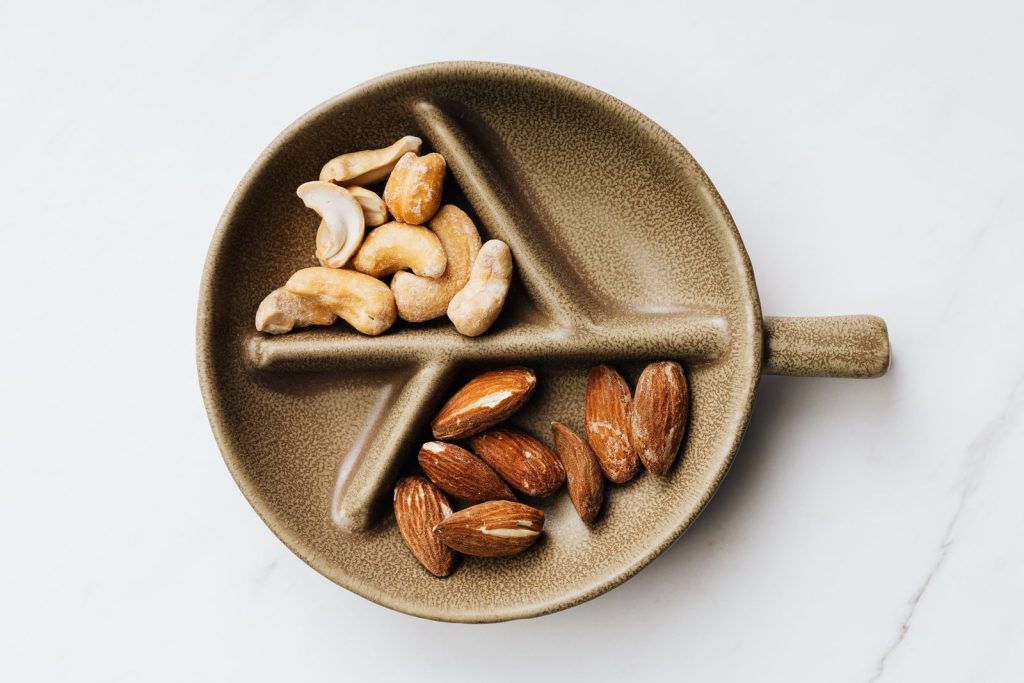
1. Almonds and other nuts
Nuts are high in calories, so many dieters avoid them. The research says that’s a mistake. A 2021 meta-analysis in Obesity Reviews, pooling dozens of randomized trials and large cohort studies, found that eating nuts did not cause weight gain, and higher nut intake was linked with lower body weight and body fat. Their protein, fiber and healthy fats keep you full, and some of their calories aren’t fully absorbed.
Portion: about 1 ounce (28 g), roughly 23 almonds or a small handful, around 160 to 170 calories.
Tip: buy unsalted, unsweetened nuts and pre-portion them into small containers so you don’t eat straight from the bag.
2. Roasted chickpeas
Crispy roasted chickpeas scratch the same itch as chips but bring plant protein and fiber. About half a cup provides roughly 6 grams of each.
How to make them: drain and rinse a can of chickpeas, pat them very dry, toss with 1 tablespoon of olive oil and your favorite spices (smoked paprika, cumin, garlic powder or chili), then roast at 200°C (400°F) for 25 to 35 minutes, shaking halfway, until crunchy.
3. Grapes (especially frozen)
Grapes are refreshing, hydrating and naturally sweet. Freezing them turns them into bite-sized sorbet that takes longer to eat, which helps you slow down.
Portion: about 1 cup, around 60 to 100 calories. For more staying power, pair them with a few nuts or a cheese stick.
4. Grapefruit and other citrus
Grapefruit and oranges are low in calories and high in water, fiber and vitamin C. Grapefruit’s reputation as a “fat burner” isn’t backed by strong evidence, but it’s a great low-calorie, filling snack.
Important: grapefruit interacts with many common medicines, including some statins and blood pressure drugs. If you take regular medication, check with your pharmacist first, or choose oranges instead.
5. Air-popped popcorn
Popcorn is a whole grain, and air-popped popcorn gives you a big bowl for very few calories, about 30 calories per cup. That volume is what makes it so satisfying.
Portion: 3 cups is about 90 to 100 calories. Skip the butter-drenched cinema version and season with a little olive oil, salt, nutritional yeast, cinnamon or chili.
6. Dark chocolate
Yes, chocolate can fit into a weight loss plan. Dark chocolate with 70% cocoa or more contains less sugar than milk chocolate and has a rich flavor that makes a small amount satisfying.
Portion: 1 to 2 small squares (about 15 to 20 g). Pair it with strawberries or a few almonds for a treat that feels indulgent but stays in control.
7. Greek yogurt
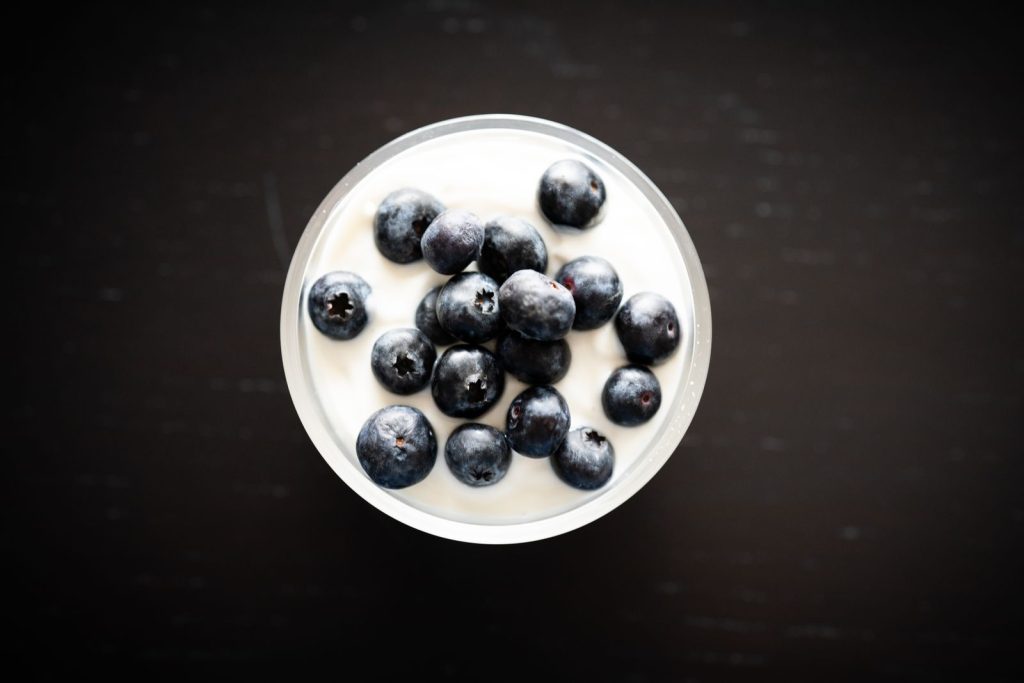
Plain Greek yogurt is one of the best snacks for weight loss because it’s packed with protein, around 15 to 20 grams in a 170 g (6 oz) pot, plus calcium and, often, live cultures that support gut health. Flavored yogurts can contain a lot of added sugar, so choose plain and add your own fruit.
Ideas: top with berries and cinnamon, stir in a spoon of chia seeds, or mix with herbs and garlic as a dip for vegetables.
8. Oatmeal or overnight oats
Oats are rich in beta-glucan, a soluble fiber that forms a gel in the gut, slowing digestion and helping you feel full. A small bowl makes a great mid-morning or afternoon snack, especially if lunch is late.
Portion: about 1/3 to 1/2 cup of dry oats made with milk or water. Add fruit and a few nuts rather than sugar or syrup. For more morning ideas, see our list of the healthiest breakfast foods for weight loss.
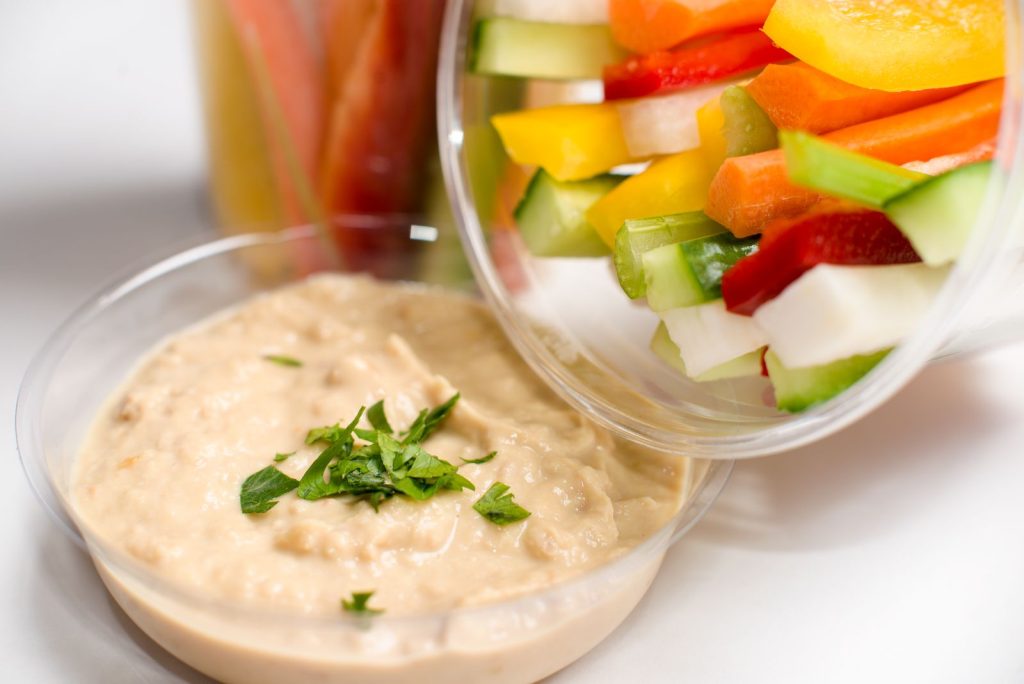
9. Hummus with vegetables
Hummus combines chickpeas, tahini, lemon and olive oil for a mix of protein, fiber and healthy fat. Using vegetables to scoop it up adds crunch and volume for almost no extra calories.
Portion: 2 to 3 tablespoons of hummus with a generous pile of carrots, cucumber, bell pepper, celery or cherry tomatoes.
10. Dried fruit (in small amounts)
Dried fruits like apricots, prunes, figs and raisins provide fiber, potassium and natural sweetness. But because the water has been removed, they’re much more calorie-dense than fresh fruit and easy to overeat.
Portion: about 2 tablespoons, or 3 to 4 apricots or prunes. Choose varieties with no added sugar, and pair them with nuts or yogurt to balance the natural sugars.
More quick snack ideas under 200 calories
- A hard-boiled egg or two with cherry tomatoes
- An apple or pear with 1 tablespoon of peanut butter
- Cottage cheese with pineapple or cucumber
- A cheese stick and a small handful of grapes
- Edamame sprinkled with sea salt
- A small homemade smoothie with yogurt, spinach and berries
- Rice cakes topped with avocado and chili flakes
Want more protein-rich options? Browse our list of delicious high-protein foods.
Smart snacking habits
- Snack when you’re hungry, not bored. Ask yourself whether you’d happily eat an apple. If not, you may be thirsty, tired or stressed rather than hungry.
- Drink water first. Thirst is easy to confuse with hunger. Our easy low-calorie drinks help.
- Plan ahead. Keep healthy snacks at work, in your bag and in the car so you’re not stuck with vending machine options.
- Use a plate or bowl. Eating straight from the packet makes it hard to notice how much you’ve had.
- Eat mindfully. Put your phone down and enjoy your snack. You’ll feel more satisfied with less.
- Watch liquid calories. Juices, smoothies and fancy coffees can add up faster than food.
Snacks that look healthy but often aren’t
Some popular “health” snacks are closer to dessert than you might think. Read labels on these:
- Granola and cereal bars: many contain as much sugar as a candy bar. Look for bars with at least 5 grams of protein, 3 grams of fiber and under 8 grams of sugar.
- Veggie chips and puffs: often mostly potato starch and oil with a little vegetable powder.
- Flavored yogurts: fruit-on-the-bottom and dessert-style yogurts can contain 15 grams or more of added sugar per pot.
- Trail mix: versions with chocolate, candy and sweetened fruit add up quickly. Make your own with plain nuts, seeds and a few raisins.
- Smoothies and juices from cafes: large sizes can carry 400 calories or more.
- “Protein” snacks: some are highly processed with added sugars and sweeteners. Whole-food protein like eggs, yogurt and nuts is usually a better choice.
A quick rule: the shorter the ingredient list, and the more of it you recognize as real food, the better.
The bigger picture
Snacks are just one part of a successful weight loss plan. Regular meals built around vegetables, protein and whole grains, along with physical activity, good sleep and stress management, matter most. Gut health plays a role too, so read our guide on improving gut health. For lasting results, see our tips on how to sustain weight loss and our collection of home remedies for losing weight.
Common questions
Is snacking bad for weight loss?
No. Healthy snacks with protein and fiber can control hunger and prevent overeating at meals. What matters is choosing whole, filling foods and keeping portions sensible.
Are nuts fattening?
Research shows eating nuts does not cause weight gain, and higher nut intake is linked with lower body weight and fat. Stick to about a small handful (1 ounce) a day.
How many calories should a healthy snack have?
Most healthy snacks fall between about 100 and 250 calories, depending on your size, activity level and how long it is until your next meal.
What is the most filling snack for weight loss?
Snacks that combine protein and fiber are most filling, such as Greek yogurt with berries, an apple with peanut butter, hummus with vegetables or a hard-boiled egg with fruit.
Is popcorn a healthy snack?
Air-popped popcorn is a whole grain with about 30 calories per cup. Avoid heavily buttered or sugary versions and season it lightly instead.
This article is for general information and isn’t a substitute for personalized advice from a doctor or registered dietitian.
Discover more healthy snack ideas in our healthy snacks section.