
Nutrition advice seems to change every week. One headline says coffee is dangerous; the next says it helps you live longer. Eggs, potatoes and red meat have all spent time as villains and heroes. No wonder so many people feel confused about what to eat.
This guide separates food myths from facts using current research, covering everyday foods like coffee, beef, potatoes, poultry, mushrooms, shrimp and more.
Quick answer: Many common food myths do not hold up. Moderate coffee is linked to better health, potatoes are nutritious when baked or boiled rather than fried, shrimp and eggs are fine for most people despite their cholesterol, dark poultry meat is only slightly higher in fat, mushrooms are nutrient-rich and frozen vegetables are as healthy as fresh. Red meat is best eaten in moderation, and processed meat should be limited.
1. Coffee
Myth: Coffee is bad for your heart and dehydrates you.
Fact: Large studies following hundreds of thousands of people link moderate coffee intake, about 3 to 4 cups a day, with a lower risk of type 2 diabetes, liver disease, Parkinson’s disease, heart disease and early death. Coffee does have a mild diuretic effect, but regular drinkers adapt, and it counts toward your daily fluid intake. Most healthy adults can safely have up to 400 mg of caffeine a day (about 4 small cups of brewed coffee). Pregnant people should stay under 200 mg. The real problem is often what goes in the cup: syrups, sugar and whipped cream can turn a 5-calorie coffee into a 400-calorie dessert.
2. Beef
Myth: All beef is unhealthy and should be avoided.
Fact: Beef is rich in high-quality protein, iron, zinc and vitamin B12. The concern is mostly about amount and type. The World Health Organization classifies processed meat (bacon, ham, sausages, salami) as a cause of colorectal cancer and red meat as a probable cause when eaten in large amounts. Guidelines suggest keeping red meat to roughly 350 to 500 grams cooked per week, choosing lean cuts and avoiding charring. Swapping some meals for fish, poultry, beans or lentils also helps heart health.
3. Potatoes

Myth: Potatoes are fattening “empty carbs.”
Fact: A medium potato with skin has about 110 to 160 calories, along with more potassium than a banana, vitamin C, vitamin B6 and fiber. A large 2025 Harvard study found that eating French fries regularly was linked to a higher risk of type 2 diabetes, but baked, boiled and mashed potatoes were not significantly linked. Swapping potatoes for whole grains lowered risk further. Keep the skin on, choose baking or boiling, and watch the butter, cheese and sour cream. Cooled cooked potatoes also contain more resistant starch, which feeds healthy gut bacteria.
4. Dark poultry meat
Myth: Dark meat is unhealthy compared to white meat.
Fact: Chicken thighs and legs contain slightly more fat and calories than breast, but the difference is small, especially without the skin. Dark meat also provides more iron, zinc and B vitamins. Both are good protein sources. Removing the skin cuts most of the extra fat, and dark meat stays juicier and is harder to overcook.
5. Mushrooms
Myth: Mushrooms have no nutritional value.
Fact: Mushrooms are low in calories yet provide B vitamins, potassium, selenium, fiber and antioxidants such as ergothioneine. They are also one of the only non-animal sources of vitamin D when exposed to UV light. Their savory, meaty flavor makes them perfect for replacing part of the meat in burgers, bolognese and tacos. Never eat wild mushrooms unless an expert has identified them, as some are deadly.
6. Shrimp
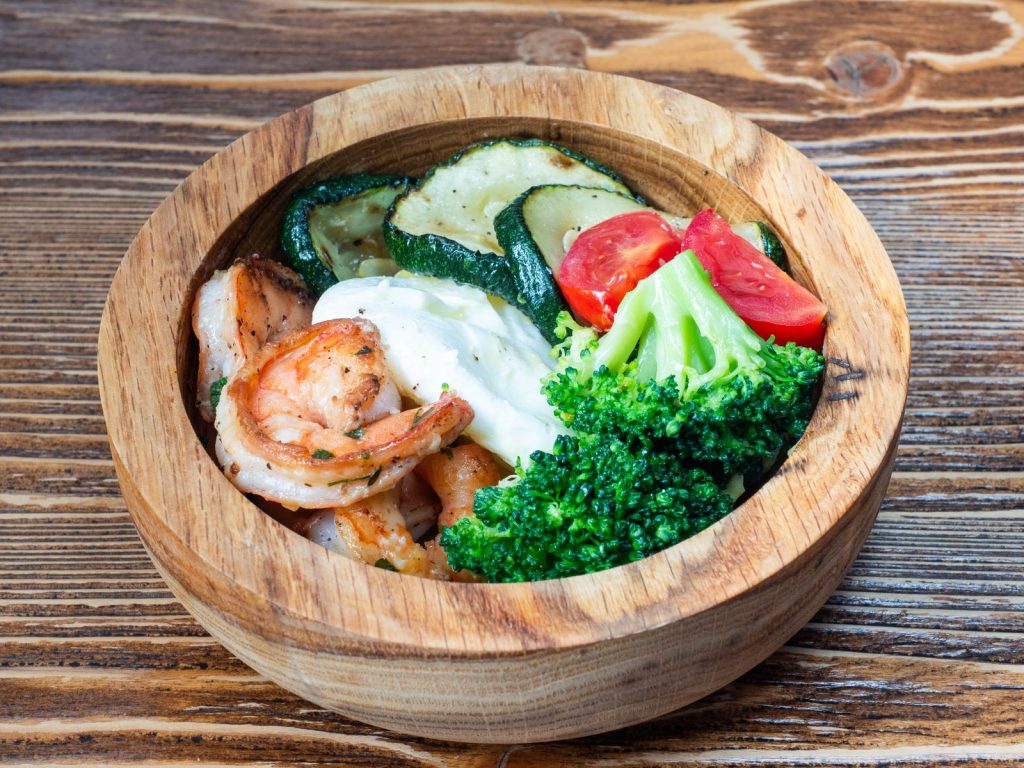
Myth: Shrimp is bad for you because it is high in cholesterol.
Fact: Shrimp does contain dietary cholesterol, about 160 to 190 mg per 85 g serving, but it is very low in saturated fat and high in protein, selenium, iodine and vitamin B12. For most people, dietary cholesterol has a smaller effect on blood cholesterol than saturated and trans fats. US dietary guidelines no longer set a strict daily cholesterol limit. Steamed, grilled or sautéed shrimp fits well into a healthy diet; deep-fried shrimp is another story.
7. Eggs
Myth: Eggs raise your risk of heart disease.
Fact: For most healthy people, eating up to one egg a day is not linked to a higher risk of heart disease. Eggs provide protein, vitamin D, choline and lutein. People with diabetes or high LDL cholesterol may want to be more moderate and should follow their doctor’s advice.
8. Frozen vegetables
Myth: Fresh is always healthier than frozen.
Fact: Frozen fruit and vegetables are picked and frozen at peak ripeness and keep most of their vitamins and minerals. They are often cheaper, last for months and reduce waste. Check the label for added salt, sugar or sauces.
9. Carbohydrates
Myth: Carbs make you gain weight.
Fact: Weight gain comes from eating more calories than you use, not from carbs specifically. Whole grains, fruit, beans and vegetables are rich in fiber and linked to a lower risk of heart disease and diabetes. Refined carbs and added sugars are the ones to limit. Read more in our guide to the benefits and downsides of low-carb diets.
10. MSG
Myth: MSG is dangerous and causes headaches.
Fact: Monosodium glutamate is a flavor enhancer made from glutamate, an amino acid naturally found in tomatoes, cheese and mushrooms. Well-controlled studies have not found that normal amounts of MSG cause headaches or other symptoms in the general population. Regulators, including the FDA, consider it safe. It actually contains about a third of the sodium of table salt, so it can help reduce salt in cooking.
Food Myths vs Facts at a Glance
| Food | Myth | Fact |
|---|---|---|
| Coffee | Bad for your heart | 3 to 4 cups linked to lower risk of several diseases |
| Beef | Always unhealthy | Nutritious in moderation; limit processed meat |
| Potatoes | Fattening | Healthy baked or boiled; fries are the problem |
| Dark poultry | Unhealthy | Slightly more fat, more iron and zinc |
| Mushrooms | No nutrients | Rich in B vitamins, selenium and vitamin D |
| Shrimp | Raises cholesterol | Low in saturated fat; fine for most people |
| Eggs | Cause heart disease | Up to one a day is fine for most |
| Frozen veg | Less nutritious | Just as nutritious as fresh |
Why Food Myths Spread So Easily
Nutrition science is complicated. Many studies are observational, which means they can show a link between a food and a health outcome but cannot prove cause and effect. Headlines often simplify these findings into “X causes cancer” or “Y melts fat.” Social media then amplifies the most dramatic claims, and personal stories feel more convincing than data.
Advice also genuinely changes as research improves. For years, dietary cholesterol and total fat were the main targets of heart health advice. Today, experts focus more on the type of fat, overall eating patterns and limiting ultra-processed foods. Changing advice is a sign of science working, not failing.
How to Spot a Food Myth
- It blames or praises a single food. Health depends on your overall diet, not one ingredient.
- It is based on one study or one animal study. Look for consistent findings across many human studies.
- It promises fast or dramatic results. Real nutrition changes work gradually.
- Someone is selling something. Be cautious when the source profits from the claim.
- It ignores amount and preparation. A boiled potato and a portion of fries are very different foods.
Where to Find Reliable Nutrition Advice
Trust registered dietitians, government health agencies and established medical organizations. The 2025 to 2030 Dietary Guidelines for Americans, released in January 2026, focus on protein, vegetables, fruit, whole grains and minimally processed foods while limiting added sugar and highly processed products. For practical steps, see our guides to keeping a balanced diet and the foods nutrition experts love. If heart health is your focus, read about the best foods for heart health and cholesterol-lowering foods.
Common questions
Is coffee bad for your health?
For most healthy adults, no. Drinking about 3 to 4 cups of coffee a day is linked to a lower risk of type 2 diabetes, liver disease, heart disease and early death. Keep caffeine under about 400 mg a day, or 200 mg during pregnancy, and go easy on sugar and cream.
Are potatoes unhealthy?
Potatoes themselves are nutritious, providing potassium, vitamin C and fiber, especially with the skin. Research links French fries to a higher risk of type 2 diabetes, while baked, boiled or mashed potatoes show little or no link. How you cook them matters most.
Does eating shrimp raise cholesterol?
Shrimp contains dietary cholesterol but very little saturated fat. For most people, dietary cholesterol has a smaller effect on blood cholesterol than saturated fat. Grilled, steamed or sautéed shrimp can fit a heart-healthy diet.
How much red meat is safe to eat?
The World Cancer Research Fund suggests limiting red meat to about 350 to 500 grams cooked per week and eating little, if any, processed meat. Choosing lean cuts and cooking methods that avoid charring is also wise.
Is frozen food less nutritious than fresh?
No. Frozen fruits and vegetables are usually picked and frozen at peak ripeness and keep most of their nutrients. They can be just as nutritious as fresh produce, and sometimes more so than fresh produce that has been stored for days.
This article is for general information and does not replace personalized advice from your doctor or a registered dietitian.
Find more nutrition guides in our food and recipes section.