Strong, well-developed arms are one of the most popular fitness goals, and they’re useful too: carrying shopping, lifting children and pulling yourself up all depend on arm strength. With just a pair of dumbbells, you can effectively train your biceps, triceps and forearms at home or in the gym.
Quick answer: The best dumbbell arm exercises are standing curls, hammer curls and incline curls for the biceps, overhead extensions, skull crushers and kickbacks for the triceps, and wrist curls and farmer’s carries for the forearms. Aim for about 10 hard sets per muscle each week, 8 to 15 reps per set, and train arms two or three times weekly.
This guide explains how arm muscles work, the 12 best dumbbell arm exercises, research-backed sets and reps for muscle growth, and two complete arm workouts.
Arm muscle anatomy
- Biceps brachii: the front of the upper arm, with long and short heads. It bends the elbow and turns the palm up (supination).
- Brachialis: lies under the biceps and is a powerful elbow flexor. Building it pushes the biceps up and adds arm thickness.
- Brachioradialis: runs along the forearm and works hardest in hammer curls.
- Triceps brachii: the back of the upper arm, with three heads (long, lateral and medial). It makes up about two-thirds of upper arm size, so training triceps is key for bigger arms.
- Forearm flexors and extensors: control grip and wrist movement.
How to build arm muscle: what the research says
- Volume: about 10 or more hard sets per muscle group per week, counting indirect work from presses and rows, produces good growth for most people.
- Effort: take sets close to failure, stopping with 0 to 3 reps left.
- Rep range: anything from about 6 to 30 reps builds muscle when effort is high; 8 to 15 is practical for arm exercises.
- Stretch matters: research suggests training muscles at long lengths boosts growth. A 2023 study found overhead triceps extensions, which stretch the long head, produced greater triceps growth than pushdowns.
- Progressive overload: gradually add weight or reps over time.
Benefits of training your arms
Arm training is about more than appearance. Strong biceps, triceps and forearms make everyday tasks easier, support the elbows and wrists, improve performance in sports and other lifts, and build grip strength that becomes increasingly important for independence as you age. Like all resistance training, it also supports bone density and healthy metabolism.
Warm up properly
Elbows and wrists can be prone to overuse injuries. Spend 5 minutes on light cardio, then do arm circles, wrist rotations and a light set of curls and extensions before your working sets.
12 best dumbbell arm exercises
Biceps
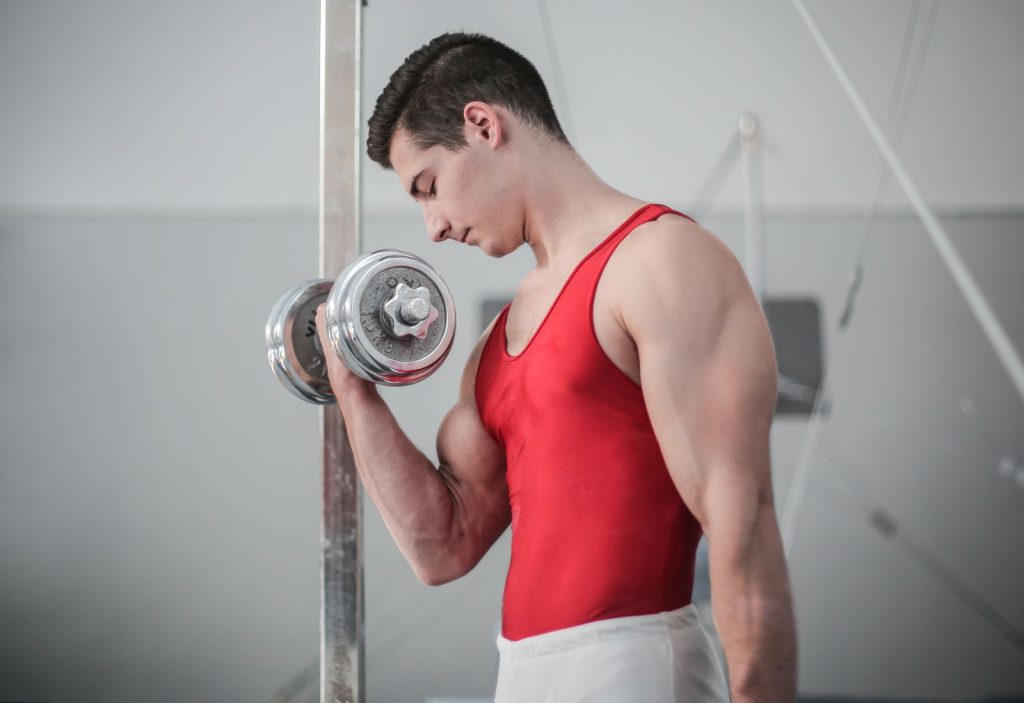
1. Standing dumbbell curl: stand tall with dumbbells at your sides, palms forward. Keeping elbows close to your body, curl the weights up, squeeze, then lower slowly. Avoid swinging.
2. Hammer curl: curl with palms facing each other. This targets the brachialis and brachioradialis for thicker arms and forearms.
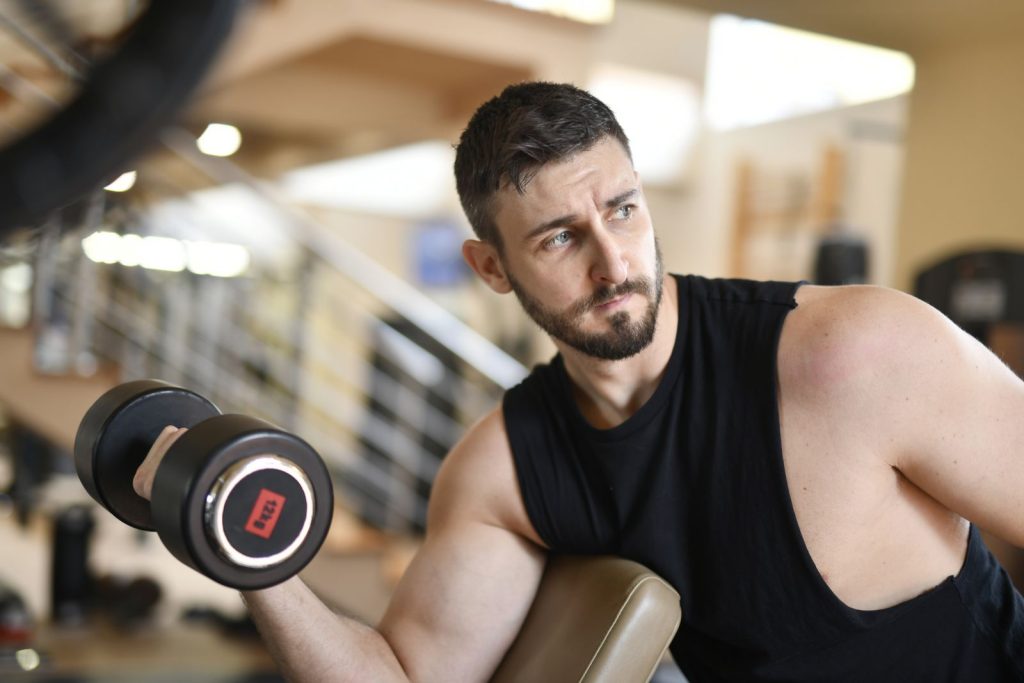
3. Incline dumbbell curl: sit back on a bench set at 45 to 60 degrees and let your arms hang behind your body. Curling from this stretched position strongly targets the long head of the biceps.
4. Concentration curl: sit with your elbow braced against your inner thigh and curl one dumbbell up. It limits cheating and isolates the biceps.
5. Zottman curl: curl up with palms facing up, rotate to palms down at the top and lower slowly. It trains the biceps and forearm extensors in one move.
Triceps
6. Overhead dumbbell triceps extension: hold one dumbbell with both hands overhead, lower it behind your head by bending your elbows, then extend. It stretches the long head of the triceps for maximum growth.
7. Lying dumbbell triceps extension (skull crusher): lie on a bench or floor with dumbbells above your chest, lower toward your temples by bending your elbows, then extend.
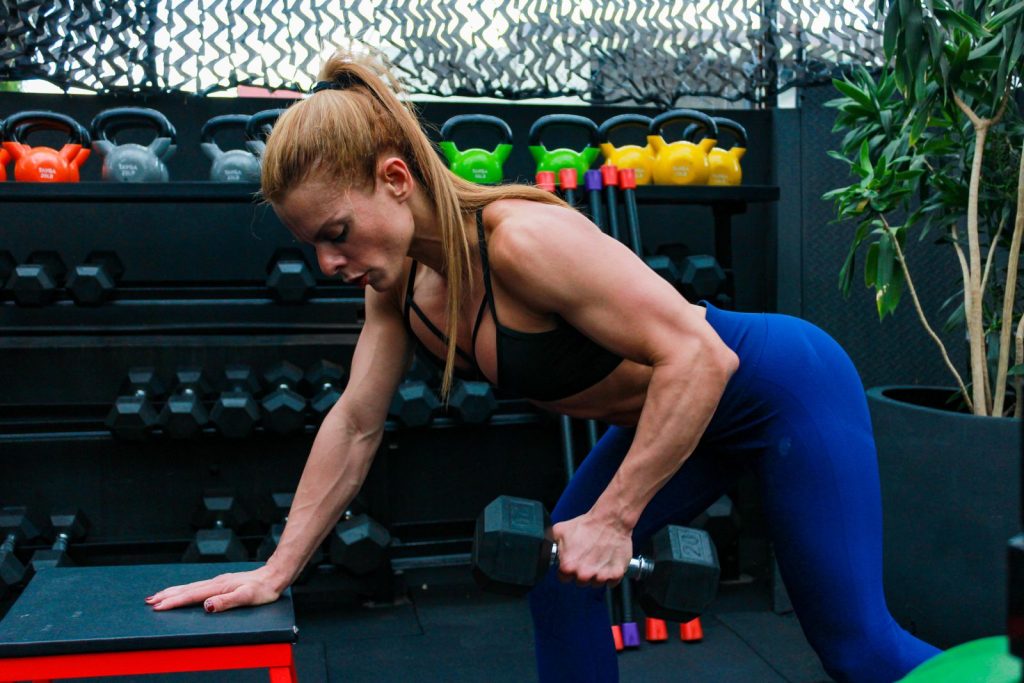
8. Dumbbell triceps kickback: hinge forward with a flat back, upper arm parallel to your body. Extend your elbow until your arm is straight, squeeze, then return.
9. Close-grip dumbbell press: lie on a bench or floor and press two dumbbells held together with palms facing each other. It works the triceps and chest with heavier loads.
10. Bench dips (bodyweight bonus): with hands on a bench behind you, lower your body by bending your elbows, then push back up. Keep the movement pain-free for your shoulders.
Forearms
11. Wrist curls and reverse wrist curls: rest your forearms on your thighs with wrists over your knees. Curl the dumbbells up with palms up (flexors), then palms down (extensors).
12. Farmer’s carry: hold heavy dumbbells at your sides and walk for 30 to 60 seconds. It builds grip, forearms, traps and core. Grip strength is linked in large studies with lower risk of early death.
Beginner dumbbell arm workout
Do 2 to 3 sets of each, twice a week, resting 60 seconds between sets:
- Standing dumbbell curl: 10 to 12 reps
- Overhead triceps extension: 10 to 12 reps
- Hammer curl: 10 to 12 reps
- Triceps kickback: 12 reps per arm
- Farmer’s carry: 30 seconds
Sample weekly plan
Arms recover quickly but still need rest. A simple approach is to add arm work to two or three full-body or upper-body sessions a week:
- Monday: upper body (presses, rows) plus 2 biceps and 2 triceps exercises
- Wednesday: lower body plus farmer’s carries
- Friday: upper body plus the full arm workout below
Track your weights and reps in a notebook or app so you can see progress and know when to increase the load.
Intermediate dumbbell arm workout
Do 3 to 4 sets of each, stopping 1 to 2 reps before failure:
- Incline dumbbell curl: 8 to 12 reps
- Overhead triceps extension: 8 to 12 reps
- Hammer curl: 10 to 15 reps
- Skull crusher: 10 to 15 reps
- Concentration curl: 12 to 15 reps
- Wrist curls and reverse wrist curls: 15 to 20 reps
Pair biceps and triceps exercises back to back as supersets to save time. Because the two muscle groups work in opposition, one recovers while the other works, letting you complete the session in about 30 minutes.
Choosing the right dumbbell weight
Pick a weight that lets you complete your target reps with good form while the last two or three reps feel genuinely hard. If you can easily do more than the top of your rep range, increase the weight. Adjustable dumbbells are a space-saving option for home training, allowing small jumps in weight as you get stronger. Many people need heavier dumbbells for presses and lighter ones for isolation moves like kickbacks and wrist curls.
Common mistakes to avoid
- Swinging the body to lift heavier weights, which shifts work away from the arms and strains the lower back.
- Letting elbows drift forward during curls, which brings the shoulders into the movement.
- Cutting the range short, especially skipping the stretch at the bottom.
- Training arms every day. Muscles need recovery to grow.
- Ignoring elbow pain. Persistent pain on the inner or outer elbow may signal tendon irritation; reduce load and see a physiotherapist if it continues.
Arm training for women and older adults
Strength training benefits everyone. For women, arm exercises build strength and definition and support bone density, which is especially important after menopause. For older adults, stronger arms and a firm grip make daily tasks easier and support independence. Start with light weights or resistance bands and focus on form before increasing load.
Tips for bigger, stronger arms
- Use full range of motion, especially the stretch at the bottom of curls and extensions.
- Control the lowering phase for 2 to 3 seconds.
- Don’t swing the weights; choose a load you can control.
- Train compound lifts too. Rows and pull-ups work the biceps; presses and push-ups work the triceps. See our bodybuilding exercises and home chest workout.
- Eat enough protein and calories; check our high-protein foods.
- Sleep 7 to 9 hours to recover and grow.
Common questions
What are the best dumbbell exercises for arms?
Standing curls, hammer curls, incline curls, overhead triceps extensions, skull crushers, kickbacks, wrist curls and farmer’s carries are among the best dumbbell arm exercises.
How many sets should I do for arms?
About 10 or more hard sets per muscle per week works well for most people, including indirect work from presses and rows.
Which is more important for arm size, biceps or triceps?
The triceps make up about two-thirds of upper arm size, so training them well is essential for bigger arms.
How often should I train arms?
Train arms directly two or three times a week, allowing at least 48 hours between sessions.
Can women build arm muscle with dumbbells?
Yes. Dumbbell arm training helps women build strength and definition and improves bone health. Women typically gain muscle more slowly and won’t become bulky without very specific training and nutrition.
This article is for general information. Check with a doctor or physiotherapist before starting a new exercise program if you have elbow, wrist or shoulder problems.
Find more workout guides in our body building exercise section.