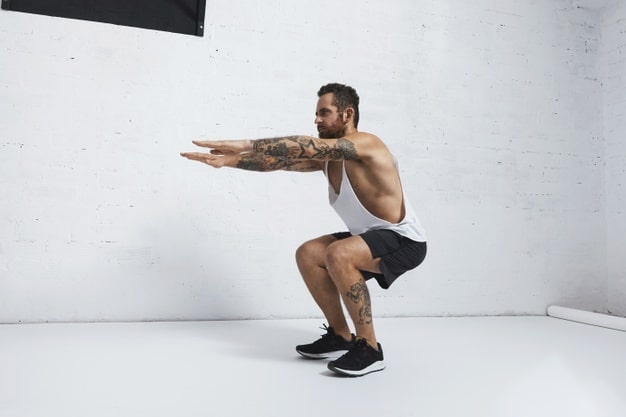
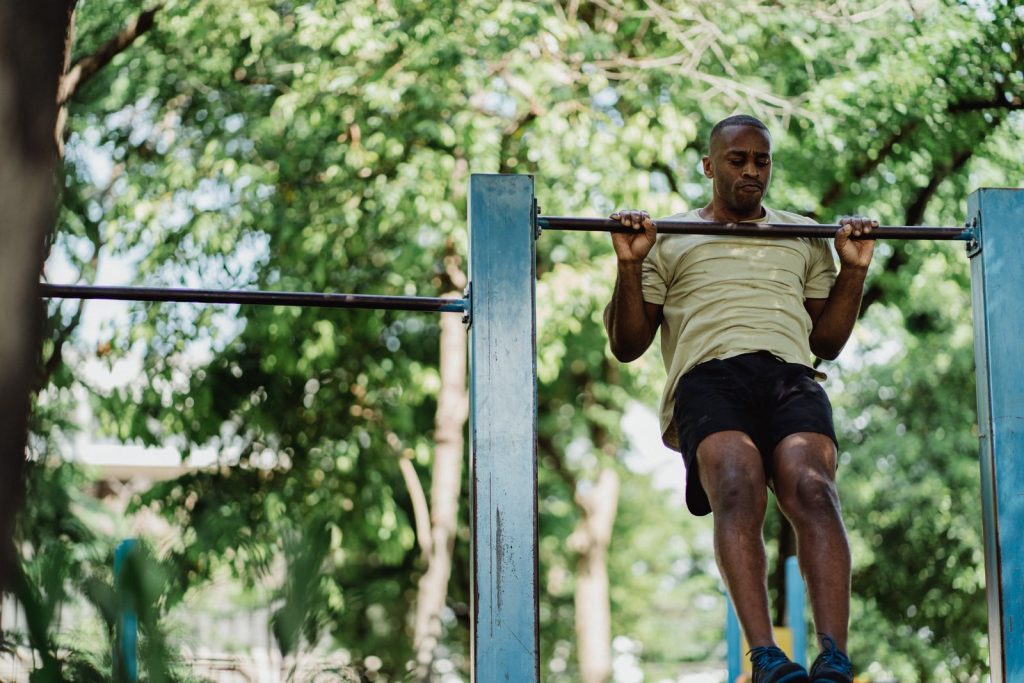
Calisthenics is strength training using your own body weight: push-ups, squats, lunges, pull-ups, dips, planks and their many variations. It’s one of the oldest forms of exercise, and it has surged in popularity again, appearing among the top fitness trends in the American College of Sports Medicine’s annual survey in recent years.
Part of the appeal is simplicity. You don’t need a gym, a membership or a pile of equipment. But is bodyweight training really enough to build strength and muscle? Research says yes, especially for beginners and intermediate exercisers. Here are the 10 best benefits of calisthenics, what the science shows, and a simple routine to get you started.
What is calisthenics?
The word comes from the Greek kallos (beauty) and sthenos (strength). Calisthenics focuses on multi-joint movements that train several muscles together. Instead of adding plates to a bar, you make exercises harder by changing leverage, range of motion, tempo or the number of limbs supporting you. A push-up against a wall, for example, is much easier than one with your feet raised on a bench.
Common calisthenics exercises include:
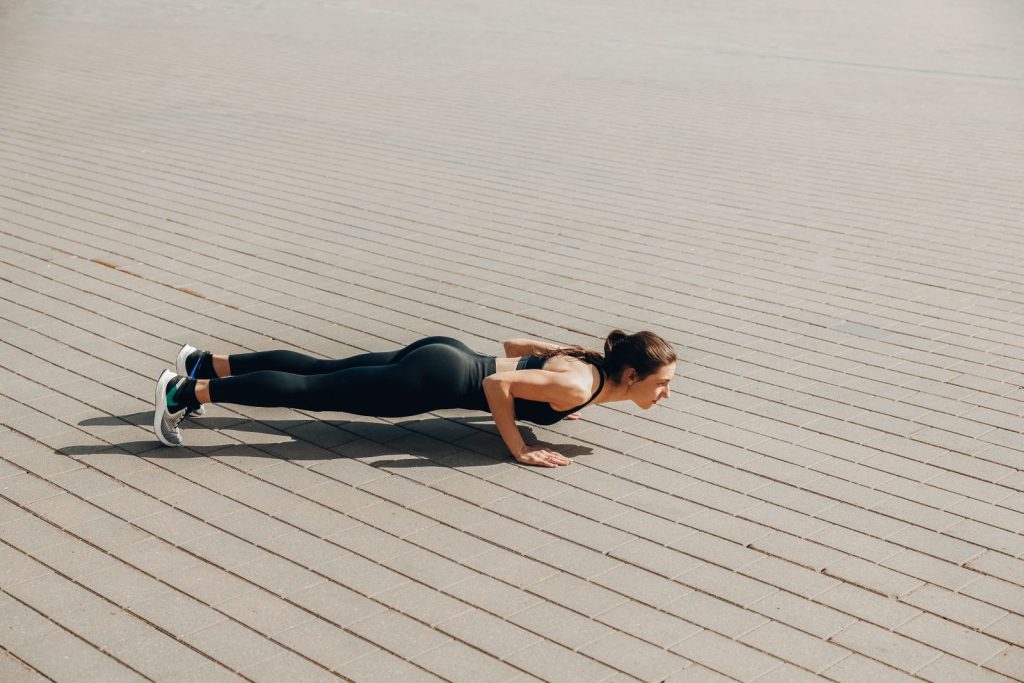
- Push: push-ups, dips, pike push-ups
- Pull: pull-ups, chin-ups, inverted (table) rows
- Legs: squats, lunges, step-ups, glute bridges, single-leg squats
- Core: planks, hollow holds, leg raises, mountain climbers
The 10 best benefits of calisthenics
1. No equipment needed
Most calisthenics exercises need nothing but floor space. A sturdy chair, a step or a table can add variety, and an inexpensive pull-up bar or set of parallel bars opens up even more options. Many parks now have free outdoor fitness areas with bars.
2. It’s free, or close to it
Without gym fees or expensive machines, calisthenics removes one of the biggest barriers to exercise: cost. That makes it accessible for students, families and anyone on a budget.
3. You can train anytime, anywhere
At home before work, in a hotel room while traveling, in the park at lunch: bodyweight training fits around your life. That flexibility makes it much easier to be consistent, which matters more than any perfect program.
4. It removes common exercise barriers
Many people avoid gyms because they feel intimidated, unsure how to use equipment or short on time. Calisthenics lets you build confidence privately at home first. If you do decide to join a gym later, our gym tips for beginners will help you settle in.
5. Efficient, full-body workouts
Because most calisthenics moves use several muscle groups at once, you can train your whole body in 20 to 30 minutes. A 2021 study from McMaster University found that a modernized 11-minute bodyweight routine, done three times a week for six weeks, improved cardiorespiratory fitness by around 13% in previously inactive adults.
6. Easy to progress at your own pace
Every exercise has an easier and harder version, so calisthenics grows with you. A typical push-up progression looks like this: wall push-up, then incline push-up on a table, then knee push-up, then full push-up, then decline push-up, and eventually archer or one-arm variations. The same principle applies to squats (assisted squat to pistol squat) and pulling (table rows to full pull-ups).
7. Builds real strength
A 2018 study found that progressive push-up training, three times a week for four weeks, produced upper-body strength gains similar to bench press training. Over time, mastering moves like pull-ups and dips builds impressive “relative strength”, your ability to control and move your own body, which carries over directly to everyday life.
8. Builds muscle
Muscle grows when it’s challenged close to fatigue, and the load doesn’t have to be heavy. A 2017 study published in the Journal of Exercise Science and Fitness found that push-ups and low-load bench press produced similar muscle growth in the chest and triceps over 8 weeks. Meta-analyses also show that lighter loads can build as much muscle as heavier ones when sets are taken close to failure. Advanced lifters chasing maximum size may eventually need external weight, especially for the legs, but calisthenics can take most people a very long way. Explore our bodybuilding exercises if you want to combine both.
9. Burns fat and supports weight management
Calisthenics raises your heart rate, especially in circuit format with little rest. Building muscle also helps your body use energy more efficiently and protects muscle while you lose fat. For the best results, combine it with cardio such as these home cardio workouts and a balanced, protein-rich diet.
10. Improves athleticism, mobility and balance
Bodyweight exercises train coordination, balance, core control and joint mobility alongside strength. Moves like lunges, single-leg squats and bear crawls teach your body to move as one unit, which can help prevent falls and injuries as you age.
Bonus benefits
- Better mood and less stress: resistance training is linked with reduced symptoms of depression and anxiety.
- Stronger bones from weight-bearing movement.
- Healthier joints, since many bodyweight exercises are low-impact.
- A sense of achievement when you master your first full push-up or pull-up.
For the wider picture, read about the benefits of regular physical activity.
A beginner calisthenics workout
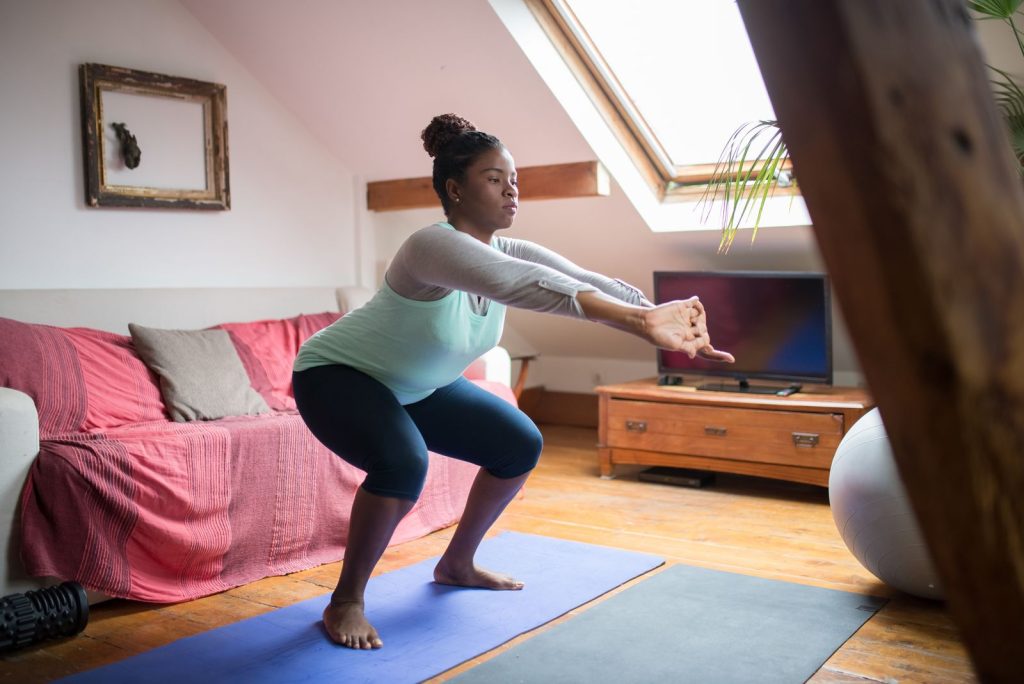
Do this full-body circuit 2 to 3 times a week on non-consecutive days. Perform each exercise for the reps or time listed, rest 30 to 60 seconds, then move to the next. Complete 2 to 3 rounds.
- Warm-up (5 minutes): marching or jogging on the spot, arm circles, leg swings and hip circles
- Bodyweight squats: 10 to 15 reps
- Incline or knee push-ups: 6 to 12 reps
- Glute bridges: 12 to 15 reps
- Inverted rows under a sturdy table (or resistance band rows): 6 to 10 reps
- Reverse lunges: 8 to 10 per leg
- Plank: 20 to 40 seconds
- Cool-down: gentle stretches for legs, chest and back
Want more core work without equipment? Try these lower abs exercises.
How to progress safely
- Master form first. Quality reps beat quantity. Film yourself or use a mirror.
- Progress one variable at a time: add reps, then sets, then move to a harder variation.
- Use the “two in reserve” rule. Finish most sets feeling you could do one or two more reps with good form.
- Slow down. Taking three seconds to lower into a push-up or squat makes it much harder without adding load.
- Rest well. Allow about 48 hours before training the same muscles hard again.
- Fuel your training with enough protein; see our list of high-protein foods.
- Wear supportive shoes for jumping and lunging moves; our guide to choosing workout clothes covers the basics.
A sample 4-week beginner plan
Week 1: Do the beginner circuit twice, with 2 rounds each session. Focus entirely on learning good form. Walk for 20 to 30 minutes on two other days.
Week 2: Train three times, still 2 rounds. Add 1 or 2 reps to each exercise where you can, or hold the plank 5 seconds longer.
Week 3: Move to 3 rounds per session. If incline push-ups feel easy, lower the surface (from a table to a chair or step). Try slowing down the lowering phase of squats and push-ups.
Week 4: Keep 3 rounds and swap in one harder variation, such as split squats instead of reverse lunges or knee push-ups instead of incline push-ups. Test yourself at the end of the week: how many good-form push-ups and how long a plank can you manage compared with week 1?
Write your numbers down. Seeing progress in black and white is one of the best motivators there is, and it shows you exactly when you’re ready for the next progression. After four weeks, most beginners can keep building for months by repeating this cycle with harder variations.
Calisthenics vs. weight training
You don’t have to choose. Calisthenics is ideal for starting out, training at home and building relative strength and control. Weights make it easier to add small, precise increases in load and to train the legs heavily once bodyweight squats feel easy. Many people get the best results by combining both: pull-ups, push-ups and dips alongside squats or deadlifts with dumbbells or a barbell.
Common questions
Can you build muscle with calisthenics alone?
Yes. Studies show bodyweight exercises such as push-ups can build muscle and strength similarly to weights when performed with enough effort and progression, especially for beginners and intermediates.
How often should beginners do calisthenics?
Two to three full-body sessions a week on non-consecutive days is ideal for most beginners, with rest in between.
Is calisthenics good for weight loss?
It helps by burning calories, building muscle and raising your heart rate, especially in circuits. Combine it with cardio and a balanced diet for best results.
What if I can’t do a push-up or pull-up yet?
Start with easier variations: wall or incline push-ups and table rows. Progress gradually as you get stronger. Most people can achieve a full push-up within a few weeks of consistent practice.
Is calisthenics safe for older adults?
Yes, with appropriate modifications. Chair squats, wall push-ups and balance exercises are excellent for older adults. Check with a doctor first if you have health conditions.
This article is for general information. If you have an injury or medical condition, consult a healthcare professional before starting a new exercise program.
Find more strength workouts in our body building exercise section.