A spa day often feels like a treat, something to save for birthdays or holidays. But spa treatments can offer more than an afternoon of pampering. Research suggests that massage, sauna bathing, hydrotherapy and other spa therapies can ease stress, relieve some types of pain and support heart health and sleep.
At the same time, the spa industry is full of big promises, especially around “detox” and weight loss. This updated guide looks at 10 benefits of spa treatments, separates the evidence from the marketing, and shares tips for getting the most from your visit safely.
Popular types of spa treatments
- Massage: Swedish, deep tissue, hot stone, sports and aromatherapy massage
- Heat therapies: traditional Finnish sauna, infrared sauna and steam rooms
- Hydrotherapy: hot tubs, mineral pools, contrast baths and cold plunges
- Skin treatments: facials, body scrubs, wraps and mud masks
- Mind-body sessions: yoga, meditation and breathwork classes
- Hand and foot care: manicures, pedicures and reflexology
1. Stress relief
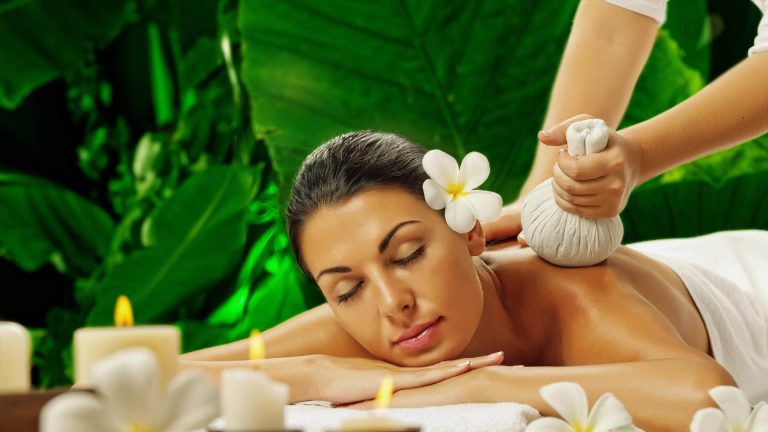
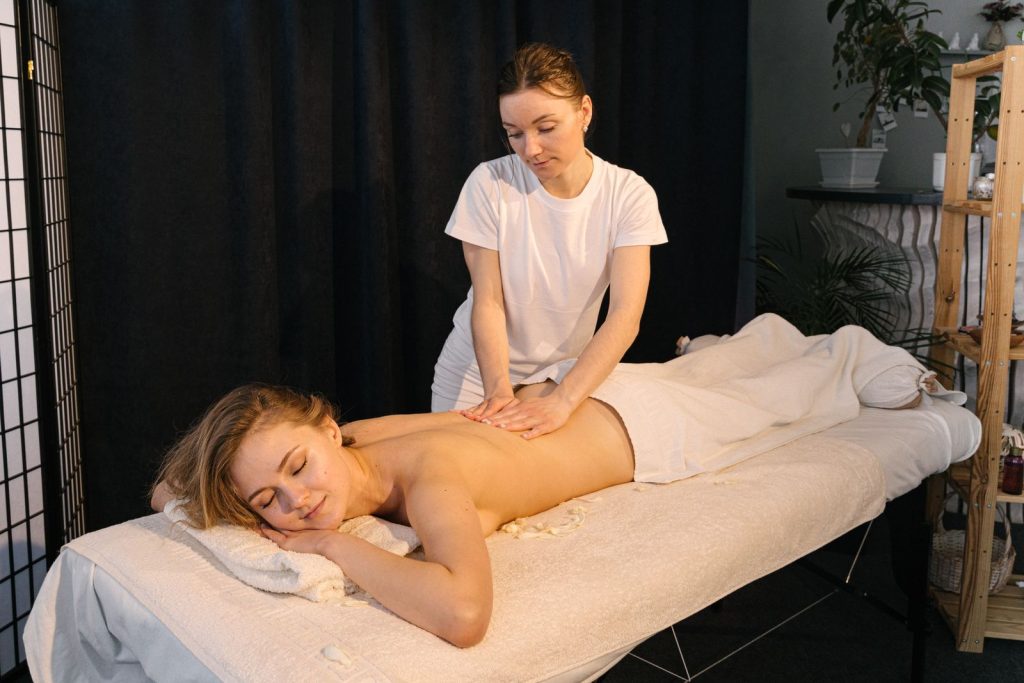
This is the benefit with the strongest support. Massage has been shown in many studies to lower perceived stress and anxiety, and it can calm the nervous system, slowing heart rate and breathing. Simply taking time away from screens and responsibilities in a quiet setting helps too. Chronic stress affects nearly every system in the body; our article on the negative health impact of stress explains why managing it matters.
2. Relief from muscle tension and some types of pain
Massage can ease muscle tension and is commonly used for back and neck pain, tension headaches and post-exercise soreness. Research reviews suggest massage can provide short-term relief for low back pain, and many people find it a helpful part of a broader plan that includes movement and physiotherapy. Warm water and sauna heat can also relax muscles and ease stiffness from arthritis for some people.
3. Possible heart and blood pressure benefits
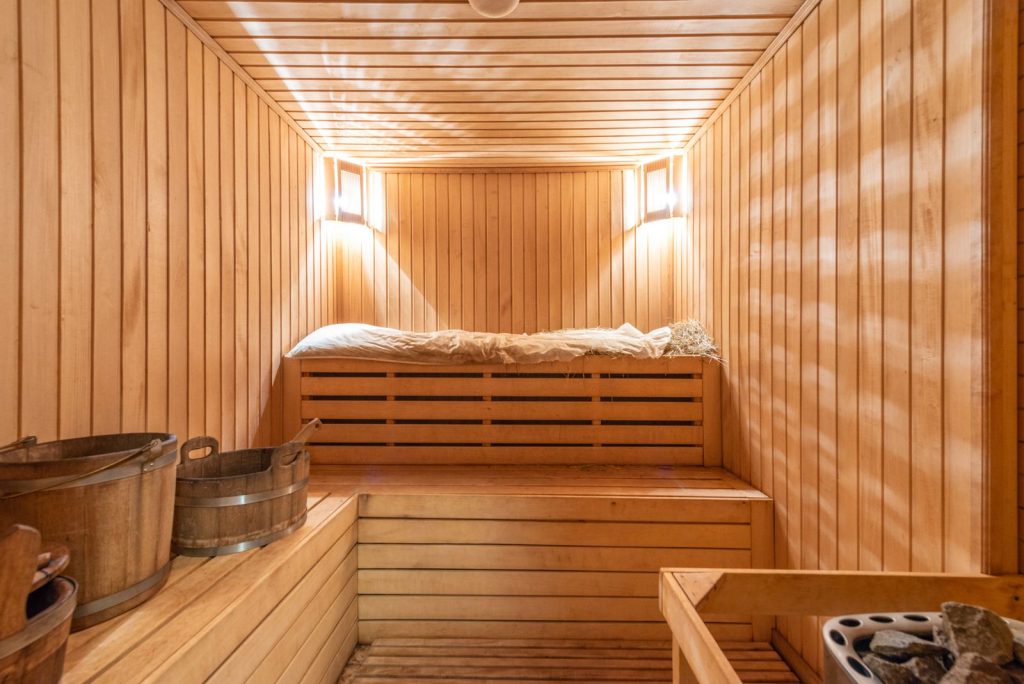
A widely cited 2018 review in Mayo Clinic Proceedings found that regular Finnish sauna bathing is associated with lower blood pressure, healthier blood vessels and a reduced risk of heart disease, stroke and dementia. Large Finnish studies found the lowest risks among people who used saunas four to seven times a week. These are mostly observational studies, so they show association rather than proof, but the findings are consistent. Sauna heat raises heart rate in a way somewhat similar to light exercise.
4. Better sleep
Many people sleep more deeply after a massage or a warm bath or sauna. Warming the body in the evening, then letting it cool, may help trigger the natural drop in body temperature that signals sleep. Relaxation and reduced stress also make it easier to drift off. For other proven sleep strategies, see our post on omega-3s and insomnia.
5. Healthier-looking skin
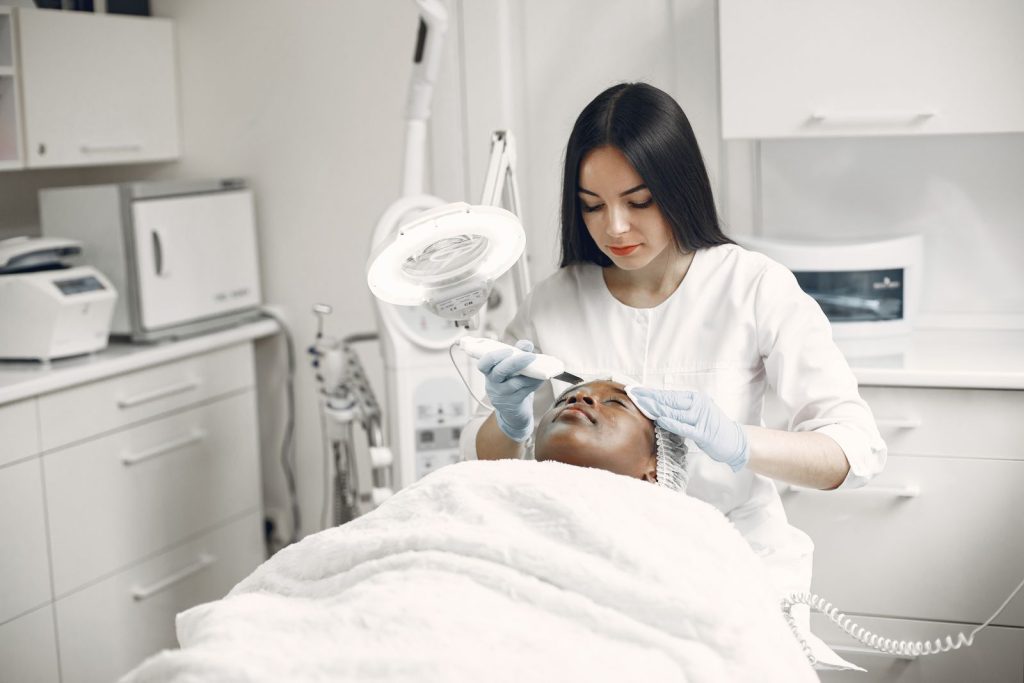
Facials, gentle exfoliation and hydrating masks can leave skin looking smoother and brighter, at least temporarily, and a good esthetician can recommend products suited to your skin. Treatments like chemical peels and microdermabrasion offer more lasting changes but should be done by trained professionals. Remember that daily habits, especially sunscreen, matter far more than occasional treatments. See our anti-aging tips and healthy skin tips.
6. A moment for mindfulness
A spa visit is a rare chance to slow down and pay attention to your body. Many spas offer meditation, yoga or breathwork sessions. Even a massage can be a mindful experience if you focus on your breath and the sensations rather than your to-do list. If you’d like to continue the practice at home, read our tips for starting meditation.
7. Confidence and self-care
Taking time to care for yourself can boost mood and self-esteem. Treatments like manicures, pedicures and facials help many people feel more put-together and confident. Self-care isn’t selfish; it can help you show up better for others.
8. Social connection and bonding
Spa days with friends, partners or family can be a lovely way to reconnect without the distractions of everyday life. In Finland, Japan, Turkey and many other cultures, communal saunas and bathhouses have long been social spaces. Positive social connection is itself strongly linked to better health and longevity.
9. Faster recovery for active people
Sports massage, heat therapy and contrast water therapy (alternating hot and cold) are popular with athletes. Evidence suggests massage can reduce the feeling of muscle soreness after hard exercise, though effects on actual performance are less clear. Cold-water immersion may reduce soreness but, used straight after strength training, might blunt some muscle-building gains, so timing matters.
10. A break that supports mental wellbeing
Quiet surroundings, warmth, gentle touch and time away from screens can ease feelings of anxiety and low mood for many people. Some research also links regular heat therapy with improved mood. Spa visits aren’t a treatment for depression or anxiety disorders, but they can be a supportive part of a wider self-care routine.
What spa treatments can’t do: detox and weight loss myths
“Detox” claims: Your liver, kidneys, lungs, gut and skin already remove waste from your body very effectively. There’s no good evidence that wraps, foot pads, colon cleanses or sweating in a sauna remove meaningful amounts of “toxins”. Sweating mainly releases water and salt.
Weight loss claims: Body wraps and saunas can make you lose water weight temporarily, which returns as soon as you drink. They don’t burn fat in any meaningful way. Lasting weight loss comes from diet, activity, sleep and, where appropriate, medical treatment.
Enjoy spa treatments for what they genuinely offer: relaxation, comfort and some real physical benefits, without paying extra for promises they can’t keep.
Choosing the right treatment for your goal
- To de-stress: a Swedish or aromatherapy massage, a warm pool or a guided relaxation session. Gentle pressure is often more calming than deep work.
- For sore or tight muscles: deep tissue or sports massage, followed by time in a warm pool or sauna. Tell your therapist about problem areas.
- For better sleep: book an evening massage or sauna, then keep the rest of your evening calm and screen-free.
- For your skin: a facial tailored to your skin type. Ask the esthetician for a simple routine you can continue at home.
- For heart health: regular sauna use alongside exercise, if your doctor says it’s safe for you.
- For connection: a couples or group package with time to relax together in shared areas.
- On a budget: many spas offer day passes for pools and saunas that cost far less than individual treatments. Look for midweek deals.
If you’re unsure where to start, ask the spa for a short introductory treatment. Thirty minutes is often enough to find out what you enjoy before committing to longer, pricier sessions.
How to get the most from your spa visit
- Arrive early to settle in, shower and use the relaxation areas.
- Hydrate before and after, especially with heat treatments.
- Eat lightly beforehand; avoid a heavy meal right before a massage or sauna.
- Communicate with your therapist about pressure, problem areas, allergies and any health conditions.
- Skip the alcohol before and during heat treatments.
- Put your phone away to get the full benefit of a break.
- Book licensed professionals and check that the spa is clean and follows good hygiene practices.
Safety: who should check with a doctor first
- Saunas and hot tubs: avoid if you have unstable heart disease, a recent heart attack, uncontrolled high blood pressure or are pregnant, unless your doctor approves. Limit sessions to about 15 to 20 minutes, cool down gradually, and never combine with alcohol.
- Massage: check first if you have blood clots or a history of deep vein thrombosis, take blood thinners, have osteoporosis, recent surgery, open wounds, infections or certain cancers.
- Skin treatments: tell your esthetician if you use retinoids, have sensitive skin, eczema, rosacea or allergies. Patch test new products.
- Pregnancy: choose therapists trained in prenatal massage and avoid high heat.
Bring the spa home
You don’t need an expensive membership to enjoy many of these benefits. Try a warm bath with Epsom salts, a gentle self-massage with a foam roller or massage ball, a homemade face mask, candles and calming music, or a short guided meditation. Our guide to the Japanese double cleansing method can turn your evening skincare into a mini spa ritual.
Common questions
Are spa treatments good for your health?
Many can be. Massage reliably reduces stress and can ease muscle pain, and regular sauna bathing is linked with heart health benefits. They work best as part of an overall healthy lifestyle.
Do spa treatments detox your body?
No good evidence shows that spa treatments remove meaningful toxins. Your liver and kidneys handle detoxification. Sweating mainly releases water and salt.
Can a sauna help you lose weight?
Only temporary water weight, which returns when you rehydrate. Saunas don’t burn fat in a meaningful way.
How often should I get a massage?
It depends on your goals and budget. Some people benefit from weekly or fortnightly sessions for pain, while monthly massages are enough for general relaxation.
Who should avoid saunas?
People with unstable heart disease, recent heart attacks, uncontrolled blood pressure, pregnancy or who have been drinking alcohol should avoid saunas unless a doctor approves.
This article is for general information and isn’t a substitute for medical advice.
Discover more relaxation ideas in our about spa treatments section.