What you wear to work out might seem like a small detail, but it can make a real difference to your comfort, performance and even your safety. The wrong clothes can rub, trap heat, slip down mid-squat or leave you shivering on a winter run. The right ones fade into the background so you can focus on moving.
You don’t need expensive designer gear. This guide covers how to choose fabrics, fit, sports bras, bottoms and shoes for different activities, plus what recent laws on “forever chemicals” mean for your activewear.
Why workout clothes matter
- Comfort: soft, well-fitting clothes prevent chafing and distraction.
- Temperature control: breathable fabrics help sweat evaporate so you stay cool in heat and warm in cold.
- Freedom of movement: stretchy, non-restrictive clothing lets you move through a full range of motion.
- Support: a good sports bra and supportive shoes reduce discomfort and strain.
- Safety: visibility for outdoor workouts and well-fitted shoes help prevent accidents and injuries.
- Confidence: feeling good in what you wear makes it easier to show up, which matters more than anything. If gym nerves hold you back, see our gym tips for beginners.
1. Choose the right fabric (and go easy on 100% cotton)
Cotton is soft and breathable for low-sweat activities like gentle yoga, walking or stretching. But it absorbs sweat and dries slowly, so during intense workouts it becomes heavy, clingy and cold, and can increase chafing.
Better options for sweaty workouts:
- Polyester and nylon blends with spandex or elastane: lightweight, quick-drying and stretchy. Look for “moisture-wicking” on the label.
- Merino wool: naturally temperature-regulating, soft (not itchy like traditional wool) and good at resisting odor. Great for running, hiking and cold weather.
- Bamboo-derived and Tencel fabrics: soft, breathable and fairly quick-drying, popular for yoga and everyday wear.
- Mesh panels in high-sweat areas like the back and underarms improve airflow.
Synthetic fabrics can hold onto odor, so wash them promptly and consider antimicrobial or merino options if smell is a problem.
2. Get the fit right for your activity
The best fit depends on what you’re doing:
- Running and cycling: fitted (not tight) clothes reduce chafing and flapping fabric.
- Weightlifting and gym training: clothes that stretch well and stay in place when you squat, lunge and lift your arms. Avoid very baggy tops that could catch on equipment.
- Yoga and Pilates: close-fitting tops that won’t ride up when you’re upside down, and leggings or capris that move with you.
- High-intensity and dance classes: breathable, flexible layers you can shed as you warm up.
Quick fit test: before buying, squat, lunge, reach overhead and bend forward. If anything pinches, slips, gapes or becomes see-through, keep looking.
3. Select the right sports bra
For anyone with breasts, a well-fitted sports bra is one of the most important pieces of workout gear. Research from the University of Portsmouth’s breast health group has shown that breasts can move significantly in all directions during exercise, and poor support can cause pain and discomfort and may stretch supporting tissue over time.
Choose support based on impact:
- Low impact (yoga, walking, Pilates): light support compression bras
- Medium impact (cycling, strength training, hiking): medium support
- High impact (running, jumping, HIIT, team sports): high-support encapsulation or combination bras, often with adjustable straps and hook closures
Fit checklist: the band should be snug and level all the way around (it provides most of the support); you should fit two fingers under the band but no more; cups should fully contain breast tissue without spillage or wrinkling; straps shouldn’t dig in. Try jumping on the spot in the fitting room. Replace sports bras every 6 to 12 months, or sooner if the band stretches out.
4. Pick bottoms that stay put
- Shorts: look for a length that doesn’t ride up when you squat or run, and a built-in liner or compression layer to prevent chafing. Very short shorts can cause inner-thigh rubbing during lunges and runs.
- Leggings and tights: choose a high, wide waistband that doesn’t roll down, and fabric that stays opaque when you bend. A small zip pocket is handy for keys or a phone.
- Joggers: comfortable for warm-ups and lighter workouts, but tapered ankles help keep fabric away from your feet and equipment.
5. Wear capris or leggings for yoga
Yoga involves bending, twisting and inversions, so loose shorts and tops can shift and become revealing or distracting. Capri-length or full-length leggings and a fitted top let you move freely and let your teacher see your alignment. Breathable fabrics are best, especially for warmer classes. New to yoga? Try our yoga poses for beginners.
6. Choose the right shoes for your activity
Shoes are the most important piece of workout gear for many people. Different activities need different designs:
- Running shoes: cushioning and support designed for forward motion. A specialist running store can watch your gait and help you choose.
- Training or cross-training shoes: a flatter, more stable sole for lifting, side-to-side movements and classes.
- Walking shoes: flexible at the forefoot with good heel support.
- Court shoes: support for quick lateral movements in tennis, basketball and badminton.
- Barefoot: yoga and Pilates are usually done without shoes.
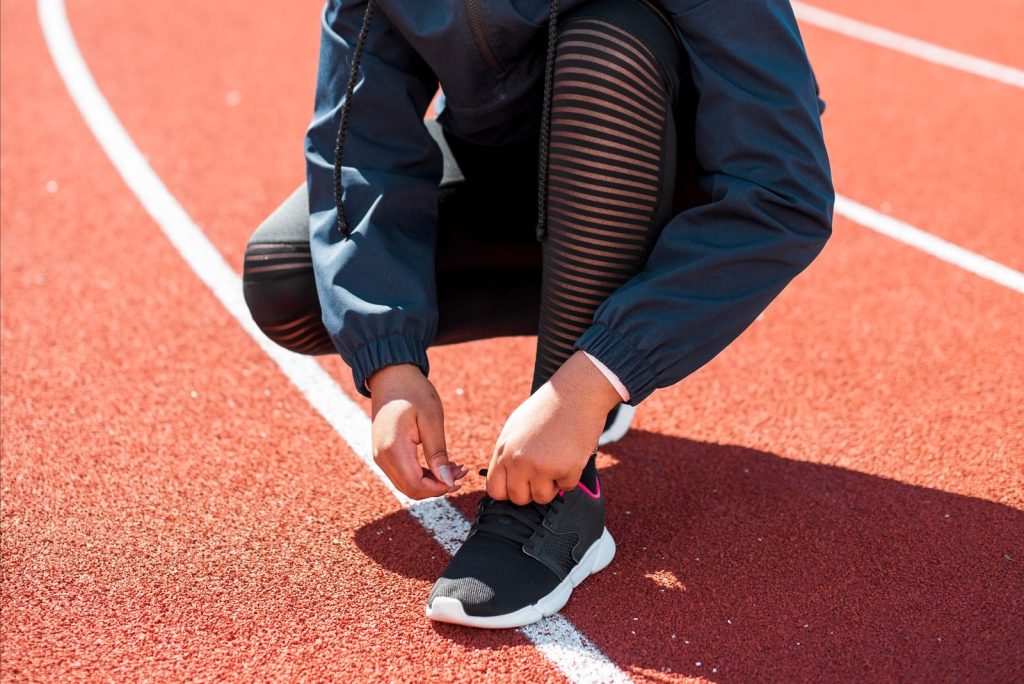
Shoe-buying tips: shop later in the day when feet are slightly larger; wear the socks you’ll exercise in; leave about a thumb’s width between your longest toe and the end of the shoe; and comfort should be immediate rather than something to “break in”. Replace running shoes roughly every 300 to 500 miles (about 500 to 800 km), or when the cushioning feels flat. Learn more in our post on how your shoes affect your health.
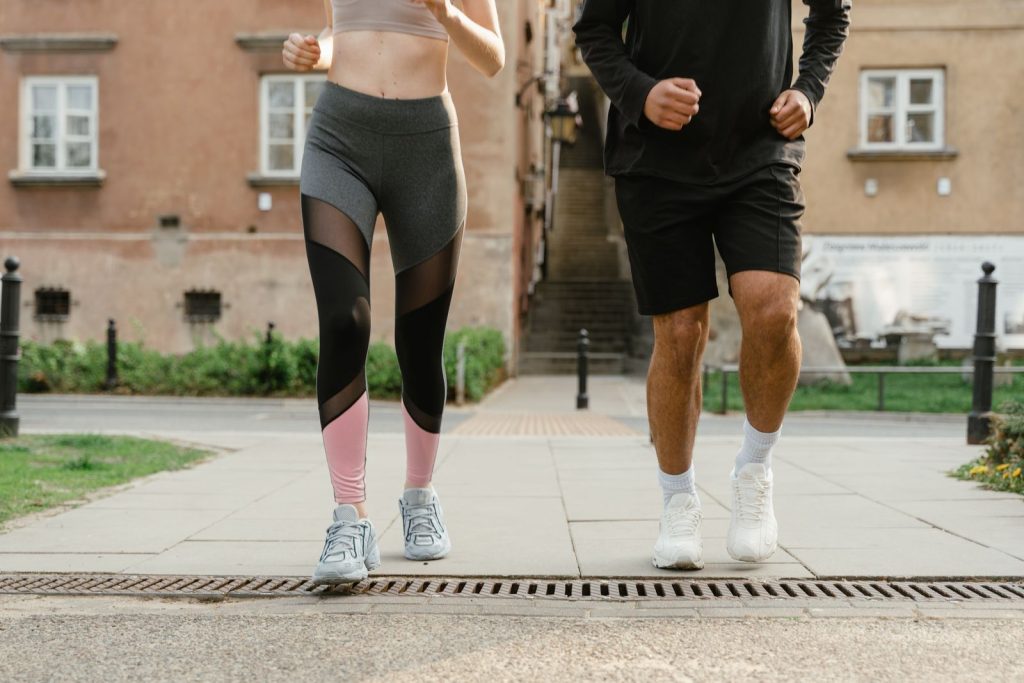
7. Don’t forget socks and accessories
- Socks: moisture-wicking synthetic or merino socks help prevent blisters. Avoid cotton socks for running.
- Layers for weather: in cold weather, use a wicking base layer, an insulating mid-layer and a wind- or water-resistant outer layer. In heat, choose light colors and loose, breathable fabric.
- Sun protection: a cap or visor, sunglasses and clothing with a UPF rating for outdoor workouts.
- Visibility: reflective details and bright colors for early-morning or evening runs and rides.
- Tech: a comfortable armband or belt for your phone, or a fitness tracker to log your progress.
What about “forever chemicals” in activewear?
PFAS, often called “forever chemicals”, have been used to make some activewear and outdoor gear water-, stain- and sweat-resistant. Because PFAS persist in the environment and have been linked to health concerns, several US states have restricted them. Since January 1, 2025, California and New York have banned intentionally added PFAS in most new apparel, with exemptions for severe wet-weather outdoor gear being phased out by 2028, and states including Maine, Colorado, Minnesota and Vermont have their own restrictions. In 2025 testing of 115 textile products in those states, the Natural Resources Defense Council found the bans were largely working. Many brands now label products “PFAS-free”; if this matters to you, look for that label or check the brand’s chemical policy.
Caring for your workout clothes
- Wash after each sweaty workout; don’t leave damp clothes in a gym bag.
- Turn items inside out and use cold or warm (not hot) water.
- Skip fabric softener, which can coat fibers and reduce wicking.
- Air-dry where possible to protect elastic and extend the life of your gear.
- For stubborn odor, soak synthetics in a mix of water and a little white vinegar before washing.
Smart buying on a budget
You don’t need a full designer wardrobe. Start with the essentials: supportive shoes for your main activity, a good sports bra if you need one, two or three moisture-wicking tops and a couple of pairs of shorts or leggings. Spend more on shoes and bras, where support matters most, and save on basics. Whether you’re doing home cardio workouts or calisthenics in the park, comfortable basics are all you need to get started.
Common questions
Is cotton bad for working out?
Cotton is fine for light activities like walking or gentle yoga, but it absorbs sweat and dries slowly, so moisture-wicking synthetics or merino wool are better for intense or sweaty workouts.
How should a sports bra fit?
The band should be snug and level, with room for about two fingers. Cups should contain all breast tissue without spilling or wrinkling, and straps shouldn’t dig in. Choose support level based on impact.
How often should I replace running shoes?
Roughly every 300 to 500 miles (500 to 800 km), or sooner if the cushioning feels worn or you notice new aches.
What should I wear for yoga?
Fitted, stretchy leggings or capris and a close-fitting top that won’t ride up when you bend or invert. Yoga is usually practiced barefoot.
Do workout clothes contain PFAS?
Some have in the past, especially water- or stain-resistant items. California, New York and several other states now restrict PFAS in apparel, and many brands label products as PFAS-free.
This article is for general information. If you have foot problems or pain during exercise, consult a podiatrist, physiotherapist or doctor.
Find more fitness advice in our clothing and accessories section.