
Summer can be wonderful for your skin: more fresh air, more time outdoors, and that relaxed holiday glow. It can also bring sunburn, breakouts, heat rash, dark spots and dehydration. Heat and humidity change how your skin behaves, so the routine that worked in winter often feels too heavy by July.
The good news is that healthy summer skin doesn’t require a cabinet full of products. A few smart swaps and consistent sun protection do most of the work. Here are 12 dermatologist-backed tips for keeping your skin healthy and radiant all summer long.
How summer affects your skin
- More UV exposure. UVB rays cause sunburn, while UVA rays penetrate deeper and drive wrinkles, dark spots and skin cancer risk. Both are stronger in summer and in the middle of the day.
- More sweat and oil. Heat and humidity increase sweat and sebum, which can clog pores and trigger breakouts.
- Dehydration. Sun, air conditioning, chlorine and salt water all pull moisture from the skin.
- Heat rash. Blocked sweat glands can cause small, itchy red bumps, especially in skin folds.
- Uneven tone. Sun exposure can darken existing pigmentation and melasma.
1. Switch to a gentle, lightweight cleanser
Wash your face in the morning and evening with a mild cleanser. Gel or foaming cleansers suit oily and combination skin in hot weather, while cream cleansers suit dry skin. Avoid harsh scrubs and very hot water, which strip the skin and can make it produce even more oil. After a day of sunscreen and sweat, a double cleanse (an oil-based cleanser followed by a gentle wash) can help; see our guide to the Japanese double cleansing method.
2. Use a lightweight moisturizer
Even oily skin needs moisture. In summer, swap heavy creams for gel-creams or lotions labeled “non-comedogenic” (less likely to clog pores). Ingredients such as hyaluronic acid, glycerin and niacinamide hydrate without feeling greasy.
3. Wear broad-spectrum sunscreen every day
This is the single most important summer skin tip, and the most effective anti-aging step there is. The American Academy of Dermatology (AAD) recommends a sunscreen that is:
- Broad-spectrum, protecting against both UVA and UVB
- SPF 30 or higher (SPF 30 blocks about 97% of UVB rays)
- Water-resistant if you’ll be swimming or sweating
How to use it properly:
- Apply about 15 minutes before going outside.
- Use enough: roughly a nickel-sized amount (about a quarter teaspoon) for your face and about 1 ounce, a shot glass full, for your body.
- Reapply every two hours outdoors, and immediately after swimming, sweating or toweling off.
- Don’t forget ears, neck, the tops of your feet, your hairline and the backs of your hands.
- Use a lip balm with SPF 30 or higher.
An AAD survey found that only about a third of Americans reapply sunscreen every two hours outdoors, and only around 1 in 5 use it on cloudy days, even though UV rays pass through clouds. Mineral sunscreens (zinc oxide or titanium dioxide) are a good choice for sensitive skin, and tinted versions also help protect against visible light, which can worsen dark spots in deeper skin tones.

4. Go easy on heavy makeup
Thick foundation and powder can mix with sweat and oil to clog pores. Try a tinted moisturizer or tinted sunscreen, a light concealer only where needed, and waterproof mascara. Always remove makeup before bed.
5. Protect your body, not just your face
Use a body lotion with SPF for everyday errands, but for beach and pool days rely on a dedicated sunscreen, reapplied regularly. Makeup and moisturizers with SPF are convenient, but they’re usually applied too thinly to give full protection on their own.
6. Wear loose, breathable, sun-protective clothing
Clothing is one of the most reliable forms of sun protection. Choose:
- Loose cotton or linen to let skin breathe and reduce heat rash
- Clothing with a UPF (ultraviolet protection factor) label for long days outdoors
- A wide-brimmed hat to shade your face, ears and neck
- UV-blocking sunglasses to protect your eyes and the delicate skin around them
Seek shade between 10 a.m. and 4 p.m., when UV rays are strongest. A handy rule: if your shadow is shorter than you are, it’s time to find shade.
7. Stay hydrated from the inside
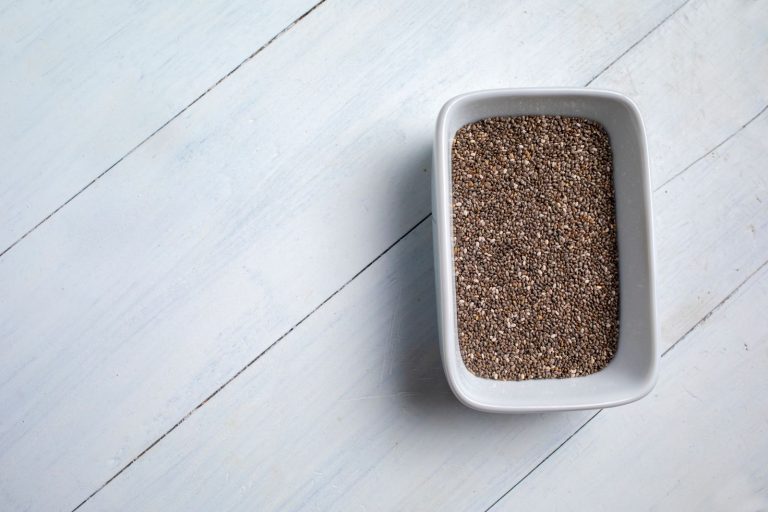
Drinking enough water won’t erase wrinkles, but dehydration makes skin look dull and tired. Drink regularly through the day, especially in the heat, and eat water-rich foods like watermelon, cucumber and berries. Our easy summer drinks make it more enjoyable. Foods rich in antioxidants and omega-3s, such as berries, leafy greens, nuts and chia seeds, also support healthy skin.
8. Rinse off after sweating or swimming
Showering after workouts, sweaty days and swims removes sweat, salt, chlorine and bacteria that can lead to breakouts and irritation. Use lukewarm water and a gentle body wash, change out of damp clothes promptly, and apply moisturizer while your skin is still slightly damp. You don’t need to scrub hard; overwashing can dry out your skin.
9. Exfoliate gently, not often
Exfoliating once or twice a week helps remove dead skin cells and keeps pores clear. Gentle chemical exfoliants such as lactic acid, mandelic acid or salicylic acid (good for oily, acne-prone skin) are often kinder than gritty scrubs. Remember that acids like AHAs and retinoids make skin more sensitive to sun, so apply them at night and be extra careful with sunscreen the next day.
10. Care for your feet
Sandals, heat and walking barefoot can leave heels dry and cracked. Use a pumice stone or foot file gently on damp skin once or twice a week, then apply a thick foot cream with urea or lactic acid. Don’t over-file, and see a doctor or podiatrist if you have diabetes before treating calluses yourself.
11. Treat sunburn and heat rash promptly
For sunburn: get out of the sun, take cool showers, apply a moisturizer with aloe vera or soy, drink extra water, and leave blisters alone. A pain reliever like ibuprofen can ease discomfort if it’s safe for you. Seek medical care for severe blistering, fever, chills or dizziness.
For heat rash: move to a cooler place, wear loose clothing, take a cool shower and let skin air-dry. Avoid heavy creams that can block sweat glands further.
12. Let your feet and skin breathe (and check your moles)
Give your skin breaks from tight synthetic clothing and closed shoes, and keep feet dry to prevent fungal infections. Summer is also a good time for a skin self-check. Look for new spots or moles that change in size, shape or color, are asymmetrical, have irregular borders or bleed. See a dermatologist promptly if anything looks unusual. Early detection of skin cancer makes a big difference.
Summer skin myths to ignore
“A base tan protects you.” A tan offers the equivalent of only about SPF 3 to 4 and is itself a sign of DNA damage in skin cells. Don’t rely on it.
“Darker skin doesn’t need sunscreen.” Everyone can burn and develop skin cancer, and in darker skin tones, skin cancer is often diagnosed later. Sun exposure also worsens hyperpigmentation and melasma, which are more common in medium and dark skin. Tinted mineral sunscreens blend well and protect against visible light too.
“I’m indoors, so I don’t need protection.” UVA rays pass through windows. If you sit near a window or drive a lot, daily sunscreen still helps.
“Waterproof sunscreen lasts all day.” No sunscreen is truly waterproof. Water-resistant formulas last 40 or 80 minutes in water before they need reapplying.
“Oily skin should skip moisturizer.” Dehydrated skin can overproduce oil. A light, oil-free moisturizer keeps the balance right.
“Vitamin D means I need sun.” Short, incidental exposure is usually enough for most people, and vitamin D can also come from food and supplements. Sunburn is never worth it.
Sample summer skincare routine
Morning: gentle cleanser, vitamin C serum (optional, for antioxidant protection), lightweight moisturizer, broad-spectrum SPF 30 or higher.
During the day: reapply sunscreen every two hours outdoors; blotting papers for shine.
Evening: double cleanse if you wore sunscreen or makeup, treatment products (like a retinoid or exfoliating acid on some nights), moisturizer.
For year-round basics, read our healthy skin tips and anti-aging tips. When the season changes, switch to our winter skin care tips.
Common questions
What SPF should I use in summer?
Use a broad-spectrum, water-resistant sunscreen with SPF 30 or higher, as recommended by the American Academy of Dermatology. Higher SPFs add only slightly more protection; correct application and reapplication matter most.
How often should I reapply sunscreen?
Every two hours when outdoors, and immediately after swimming, sweating or toweling off, even if the label says water-resistant.
Why do I break out more in summer?
Heat and humidity increase sweat and oil, which can clog pores, especially under heavy makeup or sunscreen. Cleanse gently twice a day and choose non-comedogenic products.
Do I need moisturizer if my skin is oily in summer?
Yes. Use a lightweight, non-comedogenic gel or lotion. Skipping moisturizer can make skin produce more oil.
How can I get a summer glow without tanning?
Use a self-tanner or tinted moisturizer, exfoliate gently, stay hydrated and protect your skin with sunscreen. A tan is a sign of skin damage, not health.
This article is for general information and isn’t a substitute for advice from a dermatologist.
Explore more skin care guides in our skin section.